Strafford, MO



Morning vs Night Brushing: Which Matters More?
Most of us learned to brush twice a day before we could tie our shoes. But here’s a question that trips up even the most careful brushers: does it matter more when you brush? If you had to pick just one time to do it right, should it be morning or night? The short answer is that both times matter,
Most of us learned to brush twice a day before we could tie our shoes. But here’s a question that trips up even the most careful brushers: does it matter more when you brush? If you had to pick just one time to do it right, should it be morning or night?
The short answer is that both times matter, but they do different jobs. Morning brushing gets rid of the bacteria that built up overnight and freshens your breath before you start your day. Night brushing clears away the food and plaque from everything you ate, so your mouth isn’t sitting with that buildup for eight hours while you sleep. If you ask a local dentist in strafford about this, most will tell you that skipping the night routine causes more harm over time than skipping the morning one.
Why Timing Your Brushing Matters
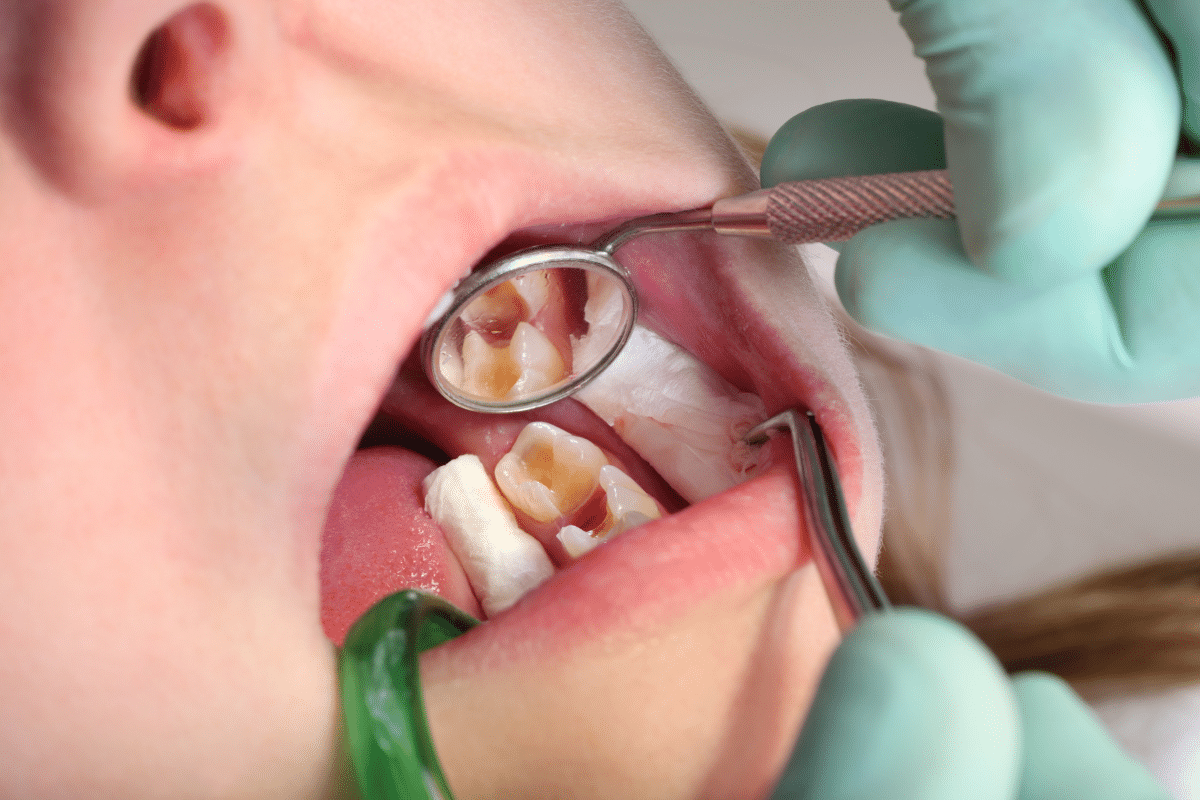
Your mouth is full of bacteria all the time. That’s normal. The problem starts when those bacteria feed on leftover food and sugar and turn into plaque. Plaque is soft and sticky at first, but if it sits on your teeth too long, it hardens into tartar, and a dentist in strafford will confirm that tartar can only be removed by a dental professional, not your toothbrush at home.
During the day, your saliva helps rinse away some of this buildup naturally. At night, saliva production drops way down. That means whatever is left on your teeth when you go to bed stays there much longer, giving bacteria more time to cause damage.
What Happens While You Sleep
Think about your mouth as a quiet workshop that keeps running even after you turn off the lights. Bacteria don’t take breaks. While you sleep, they use the sugars and food particles left behind to produce acid. That acid attacks your tooth enamel for hours without any saliva to wash it away.
This is why waking up with morning breath is so common. It’s not just about what you ate the night before. It’s about bacteria working overtime in a dry, still environment. Many people searching for a local dentist after months of bad breath find out the real cause was simply not brushing well before bed.
Morning Brushing: Starting Your Day Right
Morning brushing has its own set of jobs. It clears out the bacteria that gathered overnight, and it gets rid of that dry, filmy feeling on your teeth. It also helps reset your mouth’s pH level before breakfast.
Here’s what morning brushing does best:
- Removes overnight bacteria buildup
- Freshens breath before you head out
- Prepares your mouth for food and drink
- Helps you feel more awake and ready
If you brush right before breakfast, wait about thirty minutes if you’re eating something acidic, like orange juice or coffee. Brushing too soon after acidic food can actually wear down softened enamel.
Night Brushing: The Non-Negotiable Step
If you only had time for one brushing session a day, dentists would tell you to pick night. Skipping this step means all the food particles, sugar, and plaque from your entire day sit on your teeth for hours while your saliva production is at its lowest. This is prime time for cavities and gum problems to start.
A good night routine should include:
- Brushing for a full two minutes
- Flossing to remove food stuck between teeth
- Skipping food or sugary drinks right after
People in our area who visit a dentist in strafford for checkups often hear the same advice: never go to bed without brushing, no matter how tired you are.
The Verdict: Both Matter, But Night Wins
So which one matters more? If we’re being honest and clear about it, night brushing has a slight edge. Skipping it lets bacteria work uninterrupted for hours, while skipping morning brushing mostly affects your breath and that first taste of the day.
That said, this isn’t about choosing one over the other. Both sessions work together. Morning brushing resets your mouth, and night brushing protects it during the long stretch when your body can’t defend itself as well. If you notice bleeding gums or ongoing bad breath no matter how well you brush, searching for a dentist near me is a smart next step, since missing either brushing session regularly raises your risk for cavities and gum disease over time.
Local Habits That Affect Your Brushing Routine
Folks around Strafford and Ash Grove often deal with hard water, which can leave extra mineral deposits on teeth over time. This makes brushing technique even more important, and a dentist in strafford can spot early mineral buildup before it turns into a bigger problem. Warmer months here also bring more sugary drinks and outdoor snacking, which adds another reason to stick with a solid night routine.
Many families in this area also have well water instead of city water, and well water doesn’t always contain fluoride. Without that extra layer of protection, brushing habits matter even more for keeping cavities away. A dentist can test your water source and let you know if you need extra fluoride support, like a rinse or varnish during checkups.
Simple Tips for a Better Brushing Routine
Small changes can make a big difference in how well your brushing actually protects your teeth. Try these:
- Use a soft-bristled brush and replace it every three months
- Brush in gentle circles, not hard back-and-forth strokes
- Don’t rinse right after brushing, let the fluoride sit
- Keep a travel toothbrush for after lunch when possible
None of these tips take extra time. They just make the two minutes you already spend brushing work harder for you.
Frequently Asked Questions
1. Is it bad to brush only once a day?
Brushing only once a day raises your risk for cavities and gum disease. Twice a day is the standard most dental experts recommend.
2. Should I brush before or after breakfast?
Either works, but if you eat something acidic, wait about thirty minutes before brushing to protect your enamel.
3. How long should I brush each time?
Two minutes is the standard recommendation, covering all sides of your teeth evenly.
4. Does mouthwash replace brushing?
No. Mouthwash helps freshen breath and reduce bacteria, but it can’t remove plaque the way brushing does.
5. Why does my mouth feel dry in the morning?
Saliva production drops while you sleep, which lets bacteria build up and causes that dry, filmy feeling.
6. Is an electric toothbrush better than a manual one?
Both can work well if used correctly. Electric brushes often help people who tend to brush too hard or too fast.
7. Can hard water affect my teeth?
Yes. Hard water can leave mineral deposits that combine with plaque, making regular brushing and checkups even more important.
8. What happens if I skip night brushing regularly?
Skipping night brushing lets food and bacteria sit on your teeth for hours, raising your risk of cavities and gum problems over time.
Take the Next Step for a Healthier Smile
Brushing morning and night both matter, but they protect your teeth in different ways. Night brushing carries a bit more weight since it stops bacteria from working all night without interruption. Still, skipping either one regularly can lead to problems that are harder to fix later. If you’ve been putting off finding a dentist near me for a routine checkup, now is a good time to change that.
Clear Creek Family Dental serves families in Strafford and Ash Grove with clear, honest care and simple answers to your questions. If your brushing routine needs a tune-up or it’s just time for a cleaning, schedule a consultation with Clear Creek Family Dental today and let’s build a plan that fits your daily life.