Strafford, MO


Oral Health Habits That Reduce Infection Risk
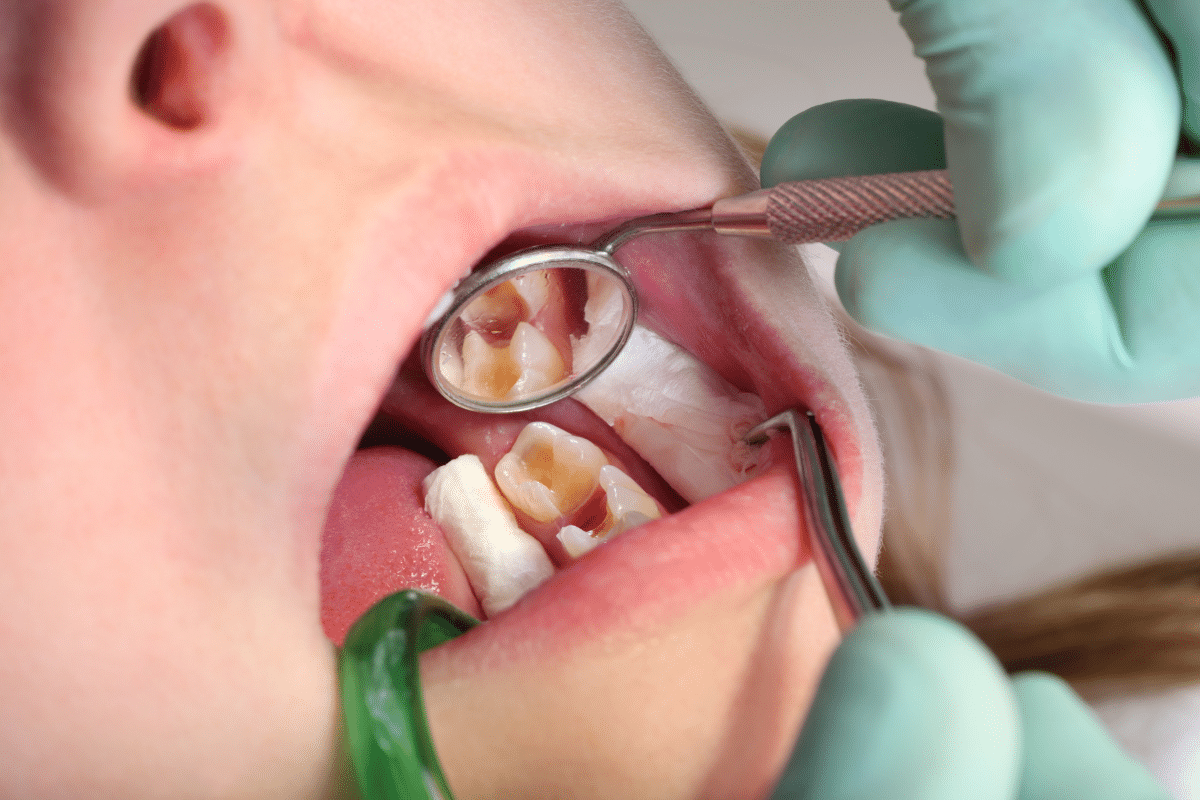
Your mouth is home to millions of bacteria. Most of them are harmless, but a few can cause real trouble if you let your guard down. Gum infections, tooth abscesses, and even some sinus issues often start with small habits that got skipped one too many times. The good news is that most infections in your mouth are preventable. A
Your mouth is home to millions of bacteria. Most of them are harmless, but a few can cause real trouble if you let your guard down. Gum infections, tooth abscesses, and even some sinus issues often start with small habits that got skipped one too many times.
The good news is that most infections in your mouth are preventable. A few simple daily habits can lower your risk by a wide margin. Below, we walk through what actually works and why it matters.
Brush the Right Way, Not Just Often
Brushing twice a day sounds simple, but technique matters more than most people think. Hold your brush at a slight angle toward your gum line and use short, gentle strokes. Scrubbing too hard can wear down enamel and push your gums back, which opens the door for bacteria to settle in.
Spend at least two minutes brushing, and don’t skip the back teeth. Those spots get missed the most, and that’s exactly where plaque likes to build up and cause problems.
Floss Every Day, Not Just Before an Appointment
Brushing alone can’t reach the tight spaces between your teeth. Food particles and plaque sit there and turn into a breeding ground for bacteria within hours. Flossing once a day breaks that cycle before it becomes gum disease.
If regular floss feels awkward, try a floss pick or a water flosser instead. What matters is that you clean between every tooth, not which tool you use to do it.
Watch What You Eat and Drink
Sugar feeds the bacteria that cause cavities and gum irritation. Every time you eat something sugary or starchy, bacteria in your mouth produce acid that attacks your enamel for about twenty minutes afterward.
Snacking all day keeps that acid cycle going nonstop. Try to stick to set meal times and rinse with water after sugary treats. Families across our practice, including those who visit us for dental care in in Ash Grove, often notice fewer cavities once they cut back on constant snacking.
Stay Hydrated Throughout the Day
Saliva does more work than people realize. It washes away food particles, balances acid levels, and carries minerals that help repair early enamel damage. When you’re dehydrated, your mouth dries out, and that gives bacteria an easier path to multiply.
Drinking water throughout the day keeps saliva flowing at a healthy level. This is especially important for anyone who sleeps with their mouth open or takes medication that causes dry mouth as a side effect.
Don’t Forget Your Tongue
Bacteria don’t just live on your teeth and gums. Your tongue holds a large share of the bacteria in your mouth, especially toward the back. Skipping this spot means you’re only cleaning part of the problem every time you brush.
A tongue scraper or the back of your toothbrush works well here. This small step also helps with bad breath, which is often an early sign that bacteria levels are climbing.
Replace Your Toothbrush on Schedule
A worn toothbrush doesn’t clean as well, even if you’re brushing the same way you always have. Bristles that are frayed or bent can’t reach into small spaces the way fresh ones can, leaving more plaque behind.
Swap your toothbrush every three months, or sooner if you’ve been sick. A toothbrush that sits around after you’ve had a cold or flu can hold onto germs longer than most people expect.
Skip Tobacco Products
Smoking and other tobacco products slow down healing and cut off healthy blood flow to your gums. That combination makes it much easier for infections to take hold and much harder for your body to fight them off.
Tobacco use is one of the biggest risk factors for gum disease, and it also hides early warning signs. Bleeding gums, which usually signal a problem, often show up less in smokers, which delays treatment until the infection has already spread.
Use a Mouth Rinse With Purpose
Not all mouth rinses do the same job. Some just cover up bad breath, while others contain ingredients that actually reduce bacteria levels. Look for a rinse with antimicrobial properties if your goal is infection prevention rather than a quick fresh feeling.
Rinsing should come after brushing and flossing, not instead of them. Think of it as the last step that reaches spots your brush and floss may have missed.
Keep Up With Regular Checkups
Even with great habits at home, plaque can harden into tartar that only a dental cleaning can remove. Regular visits also catch small issues, like a tiny cavity or early gum inflammation, before they turn into something painful or expensive.
Many people in the area count on trusted dental care in in Ash Grove to catch these problems early, rather than waiting until pain forces the issue. A local dentist search often starts the moment discomfort shows up, but routine visits before that point make a real difference.
Local Support for Ash Grove and Strafford Families
Clear Creek Family Dental works with families in both Ash Grove and Strafford, MO, and we see how much daily habits shape long term oral health. Small changes at home, paired with routine visits, go a long way toward keeping infections away.
Whether you’re new to the area or just haven’t been in for a while, dental care in in Ash Grove should feel approachable, not stressful. Our team focuses on clear answers and practical steps that fit into your daily routine, not a long list of things to worry about.
Conclusion
Reducing your risk of oral infection doesn’t require anything complicated. Brush with the right technique, floss daily, cut back on constant snacking, and stay hydrated. Don’t skip your tongue, replace your toothbrush on schedule, and skip tobacco products if you can. These habits work together to keep bacteria levels low and your mouth healthy.
Regular checkups still matter, even when your home routine is solid. If it’s been a while since your last visit, or if you’ve been putting off that dentist near me search, now is a good time to change that. Families looking for reliable dental care in in Ash Grove and Strafford can schedule an online consultation with Clear Creek Family Dental to get a clear plan for healthier teeth and gums going forward.
Frequently Asked Questions
1. How often should I really be brushing my teeth?
Twice a day is the standard recommendation, once in the morning and once before bed. Brushing more than that isn’t necessary and can wear down enamel over time.
2. Is mouthwash a substitute for brushing and flossing?
No. Mouthwash can help reduce bacteria, but it can’t remove plaque the way brushing and flossing do. It works best as an extra step, not a replacement.
3. Why do my gums bleed when I floss?
Bleeding usually means your gums are inflamed, often from a buildup of plaque near the gum line. It should improve within a week or two of consistent flossing.
4. Can stress affect oral health?
Yes. Stress can lead to teeth grinding, dry mouth, and weaker immune response, all of which make it easier for bacteria to cause problems.
5. Does diet really make a difference in gum health?
Yes. Diets high in sugar and low in nutrients like vitamin C can weaken gum tissue and slow healing, making infections more likely.
6. How do I know if I have a mouth infection and not just soreness?
Signs like swelling, persistent pain, a bad taste, or fever point to infection. Soreness from a new toothbrush or minor irritation usually fades within a day or two.
7. Are electric toothbrushes better than manual ones for preventing infection?
Electric toothbrushes can remove plaque more consistently, but a manual toothbrush used correctly is still very effective. Technique matters more than the tool.
8. Can children get gum infections too?
Yes, though it’s less common. Poor brushing habits or leftover food particles can lead to gum irritation in kids just as it can in adults.