Strafford, MO


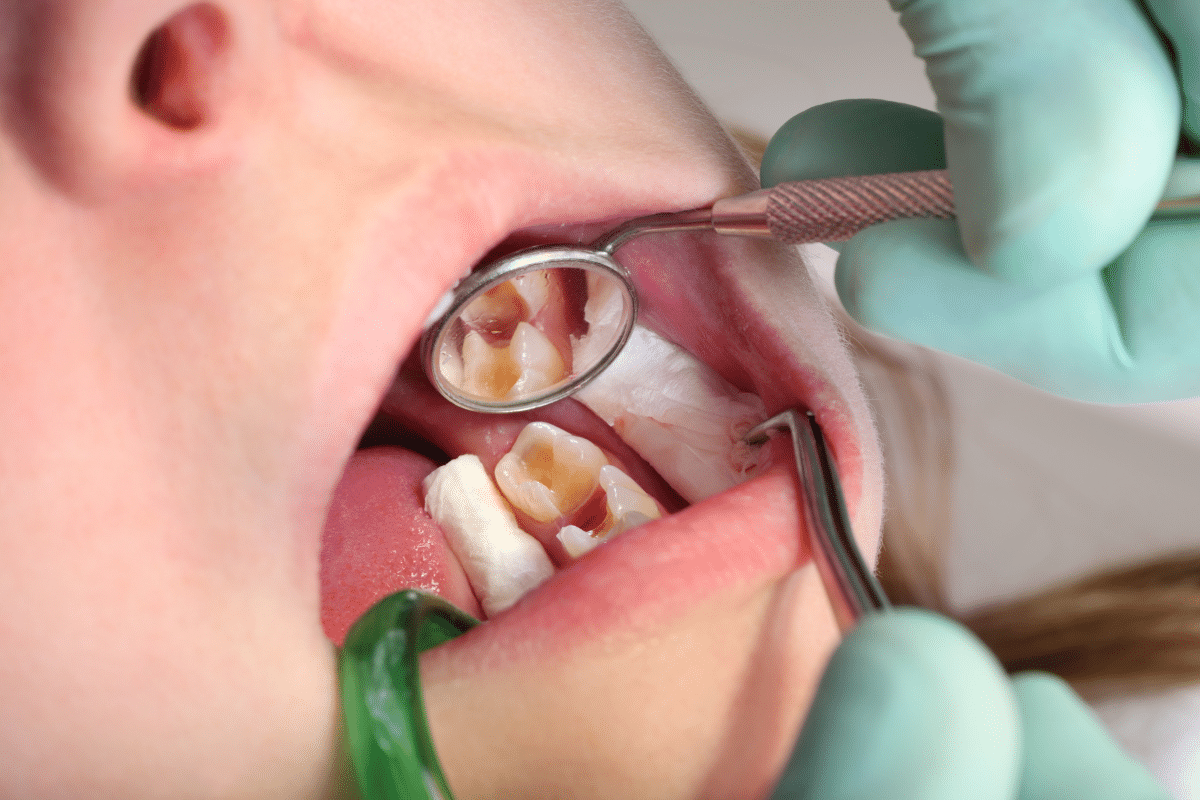
The Silent Tooth Infection That Often Has No Warning Signs
A tooth can look fine, feel fine, and still have a serious problem hiding beneath the surface. That is what makes some dental infections so easy to miss. You may brush twice a day, floss often, and feel no pain at all. Yet bacteria can reach the inner part of a tooth and cause an infection that slowly affects the
A tooth can look fine, feel fine, and still have a serious problem hiding beneath the surface. That is what makes some dental infections so easy to miss. You may brush twice a day, floss often, and feel no pain at all. Yet bacteria can reach the inner part of a tooth and cause an infection that slowly affects the surrounding tissue and bone.
For patients looking for a dentist in strafford, understanding these hidden infections can help you know when a dental checkup matters, even when nothing hurts.
Can a Tooth Infection Really Have No Pain?
Yes. A dental infection does not always cause a toothache.
When the pulp, the soft tissue inside a tooth, becomes badly damaged or dies, the tooth may stop sending the same pain signals. An infection can still remain around the root. The American Association of Endodontists notes that an infection around a tooth root may or may not be painful.
This is why waiting for pain is not a good way to judge your dental health.
What Can Cause a Hidden Infection?
Common causes include:
- Deep tooth decay
- A cracked or damaged tooth
- An old injury to the tooth
- A large or failing filling
- Repeated dental work on the same tooth
- Untreated problems inside the tooth
Sometimes the original cause happened months or even years before the infection becomes noticeable.
Why No Pain Does Not Mean No Problem
Think of pain as an alarm. If the nerve inside the tooth is no longer working normally, that alarm may become quiet.
The infection, however, can continue.
A long-standing infection may create a small drainage path through the gum. Some people notice a tiny bump near the tooth, a bad taste, or occasional drainage. Others notice nothing unusual at all.
A dental exam can uncover problems that cannot be identified by how a tooth feels alone. Your dentist may use an exam, dental X-rays, and other tests to check the tooth and the bone around it.
That is one reason routine visits remain important, even if you feel completely healthy.
Signs That Should Not Be Ignored
Pain is only one possible warning sign. Pay attention if you notice:
| Possible sign | What it may mean |
| Swollen or tender gum | Inflammation or infection near the tooth |
| Small bump on the gum | Possible drainage from an infected tooth |
| Bad taste or fluid | Possible infection or abscess |
| Darkening of one tooth | Possible damage to the tooth’s inner tissue |
| Pain when biting | Possible inflammation around the root |
| Sensitivity that lingers | Possible irritation or damage inside the tooth |
| Facial or jaw swelling | A problem that needs prompt dental care |
None of these signs proves that you have an infection. They are reasons to have the area checked.
The American Association of Endodontists recommends evaluation when symptoms point to an infected tooth, while the American Dental Association stresses that dental treatment, rather than antibiotics alone, is often needed to address the source of a dental infection.
What Happens During an Evaluation?
If you visit a dentist in strafford because of a suspicious tooth, the first step is finding the cause.
Your dental team may:
- Ask about past pain, injury, fillings, or dental work.
- Examine the tooth and nearby gums.
- Check how the tooth responds to simple tests.
- Take dental X-rays when needed.
- Look for changes around the tooth root or supporting bone.
- Explain the treatment choices based on what they find.
The goal is not simply to treat a painful tooth. It is to find the source of the problem and protect your oral health.
Can an Infected Tooth Be Saved?
Often, yes.
Treatment depends on the condition of the tooth. Root canal therapy can remove infected or damaged tissue from inside the tooth, clean the canals, and seal them. A crown or other restoration may then be used to protect the tooth.
Clear Creek Family Dental provides restorative care that includes root canal therapy for infected teeth. The practice also offers emergency dental care for infections and abscesses.
If a tooth cannot be saved, extraction may be considered. Your dentist should explain why a treatment is recommended and what other options may exist.
What About Antibiotics?
Antibiotics are not a cure for every dental infection.
The American Dental Association recommends dental treatment to address the source of many tooth-related infections. Antibiotics may be appropriate when there are signs that an infection is spreading or causing systemic illness, such as fever or malaise.
Never use leftover antibiotics or someone else’s prescription for a dental problem.
When Should You Seek Urgent Care?
Some symptoms should not wait for a routine appointment.
Seek prompt dental care if you develop:
- Facial or jaw swelling
- Fever or feeling very ill
- Pus or drainage
- Severe or worsening tooth pain
- Trouble opening your mouth
- A rapidly growing swelling
Difficulty breathing or swallowing can signal a serious infection that needs emergency medical attention.
If you are searching for a dentist near me because a tooth has suddenly changed, do not wait for severe pain before asking for an evaluation.
Know Our Dentists
Clear Creek Family Dental has a team serving patients in both Strafford and Ash Grove, Missouri. The doctors’ backgrounds and areas of care make the practice well suited to evaluating and treating many common dental concerns.
Dr. Tanner Rust founded Clear Creek Family Dental in 2010. He is a native of the Ash Grove area and earned his dental degree from the University of Missouri-Kansas City School of Dentistry in 2009, where he specialized in Special Patient Care. His services include restorative care and root canal therapy, along with a broad range of family dental treatments.
Dr. Daniel Dunavant graduated from the University of Tennessee College of Dentistry in 2011. His clinical experience includes crown and bridge work, implant crown restoration, dentures, extractions, and root canal therapy. He also focuses on keeping current with dental techniques and technology.
Dr. Dana Jackson is listed as one of the practice’s dentists and is described by Clear Creek Family Dental as a patient-focused dentist who enjoys helping people improve their health, confidence, and quality of life. Her individual website bio currently states that more information is coming soon, so it is best not to assume additional credentials or treatment details that have not been published by the practice.
Dr. Brandon Nicoll is a general dentist with experience in restorative dentistry, implantology, and endodontics, including root canals. He earned his dental degree from Midwestern University College of Dental Medicine after studying Exercise Science at Brigham Young University.
What Our Patients Say
Reviews can offer a useful look at how a dental team responds when a patient needs unexpected care.
“Absolutely amazing workers. I’ve had cleanings and root canals done here. Everything has been excellent. I will definitely continue my business here. Best hygienist here is Macey. All other work you want to have Emilee. These girls are amazing.”
★★★★★ (Angie H.)
The review goes on to describe how the team stepped in and helped without the patient having an appointment. That kind of response matters when a dental problem cannot wait.
A Simple Way to Protect Your Smile
The best way to catch a silent infection is not to wait for pain.
Keep regular dental exams, brush twice daily with fluoride toothpaste, clean between your teeth each day, and report changes such as swelling, drainage, unusual sensitivity, or a darkened tooth.
If you have been putting off an exam because your tooth feels fine, a checkup can still be worthwhile. Patients seeking a dentist in strafford can visit Clear Creek Family Dental’s Strafford office at 101 S. State Hwy 125, Suite A. The practice also has an Ash Grove location at 609 E Wells St., Suite F.
Frequently Asked Questions
1. Can a tooth infection go away on its own?
A dental infection should not be assumed to be gone simply because symptoms improve. The source needs to be assessed and treated when necessary.
2. Can an infected tooth feel normal?
Yes. Some infections cause little or no discomfort, especially when the nerve inside the tooth has been severely damaged.
3. Is a small gum bump always an abscess?
No. A bump can have several causes, but a dental professional should check it if it persists or drains fluid.
4. Can an old filling cause a tooth infection?
Yes. A tooth with extensive or repeated dental work can develop cracks, decay, or problems inside the tooth over time.
5. Will an X-ray show a tooth infection?
An X-ray can help identify changes around the root and supporting bone, but your dentist may use other tests as well.
6. Can antibiotics fix an infected tooth?
Antibiotics do not remove the source of most tooth infections. Dental treatment may be needed, depending on the diagnosis.
7. When is a dental infection an emergency?
Facial swelling, fever, spreading infection, or trouble breathing or swallowing requires urgent attention.
8. Should I see a dentist if I have no tooth pain?
Yes. Regular exams can help find decay, gum disease, damaged teeth, and other problems before they become painful.
Conclusion
A silent tooth infection is easy to overlook because it may not hurt. That does not make it harmless.
If you notice a change in a tooth, gum swelling, drainage, a darkened tooth, or unusual sensitivity, arrange an evaluation rather than waiting for pain to appear. A dentist near me can help determine whether the change is minor or needs treatment.
For patients who need a dentist in strafford, Clear Creek Family Dental provides dental care in Strafford and Ash Grove, including restorative and emergency services. When something feels different, getting it checked early can give you more options and help protect your natural tooth.