Strafford, MO


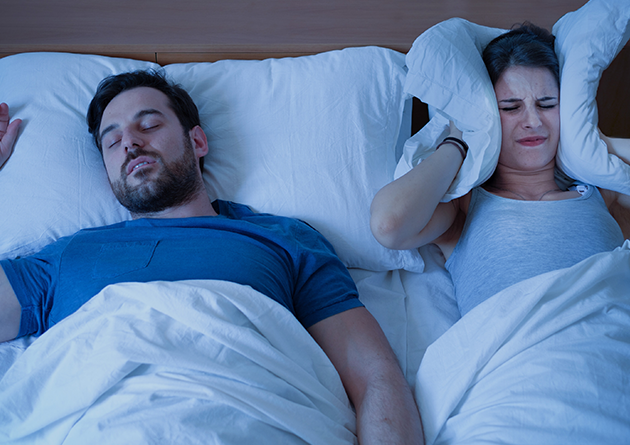
How Dentists Can Help Treat Sleep Apnea
Sleep apnea is a serious and potentially life-threatening sleep disorder that causes repeated interruptions in breathing during sleep. The term "sleep apnea" is derived from the Greek words meaning “without breath.” These breathing pauses can last anywhere from several seconds to minutes and can occur as often as 30 times or more per hour. The repeated disruption in breathing creates an imbalance in the levels of carbon dioxide and oxygen in the bloodstream, as the body struggles to expel carbon dioxide and bring in sufficient oxygen.
When this imbalance occurs, the brain senses the lack of oxygen and sends signals to the body to wake up and resume breathing. This causes individuals with sleep apnea to partially wake up during episodes, often accompanied by loud snoring, choking, or gasping for air. Because many people with sleep apnea don’t fully awaken during these events, they may remain unaware that they have a sleep disorder, leading to it often going undiagnosed.
Sleep apnea is generally classified into two types: central sleep apnea and obstructive sleep apnea. Central sleep apnea occurs when the brain fails to send the necessary signals to the muscles responsible for controlling breathing, while obstructive sleep apnea occurs when airflow is blocked despite the body’s effort to breathe. Of the two, obstructive sleep apnea is far more common and is the type most commonly treated by dentists.
Some common signs of obstructive sleep apnea include frequent morning headaches, excessive daytime sleepiness, loud snoring, and difficulty staying asleep. If left untreated, it can lead to more serious health complications, including heart disease, high blood pressure, and stroke.
Fortunately, dentists are well-equipped to help treat sleep apnea, particularly the obstructive form, with a variety of treatments. Many dentists use oral appliances, which are custom-fitted devices that help keep the airway open during sleep by repositioning the jaw or tongue. These devices can be a more comfortable, non-invasive alternative to continuous positive airway pressure (CPAP) machines, which are often used for more severe cases.
If you are experiencing symptoms of sleep apnea, or suspect you might have the condition, a visit to your dentist is an excellent first step. Our doctors at Clear Creek Family Dental can provide a thorough evaluation and help determine the best treatment options to improve your sleep quality and overall health. For more information or to schedule a consultation, contact us today!
Why It’s Essential to Treat Sleep Apnea
If you suspect that you or a loved one may have sleep apnea, it’s crucial to seek medical attention as soon as possible. Untreated sleep apnea can lead to severe health risks, including life-threatening complications. During episodes of obstructive sleep apnea, a person’s breathing may stop completely multiple times per hour, causing oxygen levels to drop dangerously low. Obstructive sleep apnea occurs when the soft tissue in the back of the throat collapses and obstructs the airway, while the tongue can also fall backward, worsening the blockage and preventing air from reaching the lungs.
As this blockage persists, the chest, diaphragm, and abdomen struggle to draw in air, increasing the tension and further tightening the obstruction. In response, the body may partially awaken to relieve the blockage, but the repeated cycle of disrupted sleep takes a toll on both the body and mind. This lack of oxygen and the elevated carbon dioxide levels in the blood put enormous strain on the heart, forcing it to work harder and pump faster to compensate for the reduced oxygen. In extreme cases, individuals with untreated sleep apnea can experience what’s essentially "dying" multiple times throughout the night, a dangerous condition that can contribute to severe heart problems, including high blood pressure, heart disease, and stroke.
What Does Sleep Apnea Treatment Involve?
The first step in treating sleep apnea is diagnosis. If you suspect you have the condition, a dentist can conduct a thorough evaluation to determine the severity of the disorder and develop a treatment plan that best fits your needs. The treatment options available vary depending on the specific type and severity of sleep apnea, as well as the overall health of the patient.
In some cases, lifestyle changes can help reduce the severity of sleep apnea. Your dentist may advise you to stop smoking, reduce alcohol consumption, or avoid the use of sedatives and tranquilizers, as these habits can worsen the condition.
In the past, CPAP (Continuous Positive Airway Pressure) machines were commonly used to help keep the airways open by providing a steady flow of air. However, many patients find these devices uncomfortable and difficult to use over time. Thankfully, there are now less invasive options available. One of the most effective alternatives is the use of oral appliances, which are custom-designed dental devices that gently reposition the lower jaw to prevent the tongue from blocking the airway. These devices are comfortable, easy to wear, and often allow patients to avoid the need for surgery.
For more severe cases of sleep apnea, surgery may be recommended. One surgical option involves repositioning the lower jaw to help pull the tongue forward and open the airway. This procedure is simple, has a high success rate, and can provide long-term relief for patients with more severe forms of sleep apnea. However, surgery is generally considered a last resort, after other less invasive treatments have been explored.
Ultimately, the best course of action will depend on a detailed diagnosis made by your dentist. They will carefully assess your condition and recommend the treatment option that will provide the greatest benefit for your health and well-being.
If you suspect you have sleep apnea or have already been diagnosed and are looking for effective treatment options, don’t wait to take action. Contact our practice today to schedule a consultation and learn how we can help improve your sleep quality and overall health.