Strafford, MO


Late-Night Tooth Pain: What Your Symptoms Could Mean
It’s midnight. You’re trying to sleep, and a dull ache in your tooth turns into a sharp jolt of pain. This happens to more people than you might think. Tooth pain has a strange habit of showing up right when the dentist’s office is closed. The good news? Your symptoms can tell you a lot about what’s going on. Families
It’s midnight. You’re trying to sleep, and a dull ache in your tooth turns into a sharp jolt of pain. This happens to more people than you might think. Tooth pain has a strange habit of showing up right when the dentist’s office is closed.
The good news? Your symptoms can tell you a lot about what’s going on. Families who rely on dental care in in Strafford often ask the same question when this happens: is this something that can wait until morning, or not? Below, we break down the most common night-time tooth pain patterns, what they usually mean, and when you need to act fast.
Why Tooth Pain Feels Worse at Night
There are a few simple reasons for this. When you lie down, blood flow to your head increases. That added pressure can make an already sore tooth throb even more. You’re also not distracted by work, chores, or conversation, so your brain has nothing else to focus on except the pain.
If you grind your teeth in your sleep, that adds even more stress on already weak spots. Add all this up, and it makes sense why so many people end up searching for a dentist near me at 2 a.m., hoping to find quick answers.
Sharp Pain When You Bite Down
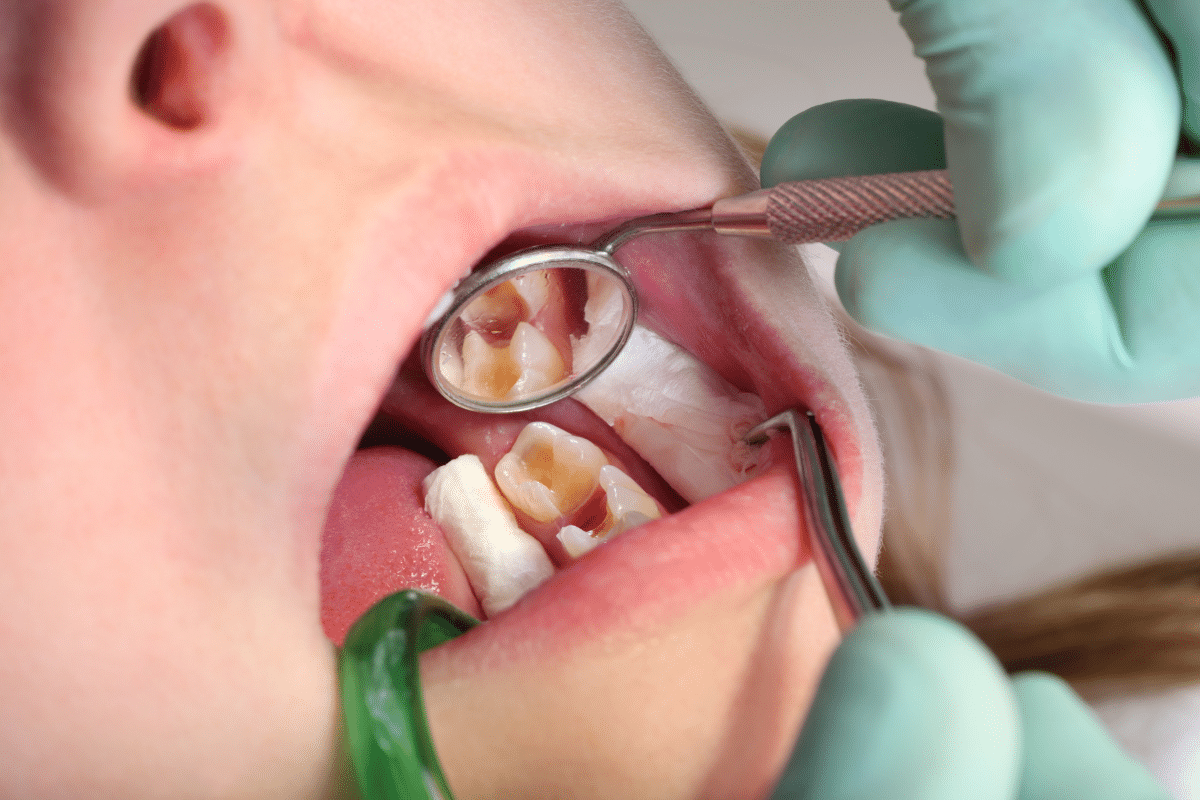
If biting or chewing sends a quick, sharp pain through your tooth, this often points to a crack or a loose filling. Sometimes it means a cavity has grown deep enough to reach sensitive layers of the tooth.
This type of pain tends to come and go. It might hurt one moment and feel fine the next. Don’t ignore it just because it’s not constant. Cracks can get worse over time, and waiting too long may turn a simple fix into a bigger, costlier problem.
Throbbing, Constant Pain
A steady throb that won’t let up is usually a sign of infection or inflammation inside the tooth. This is often linked to a condition called pulpitis, where the soft tissue inside your tooth becomes irritated or infected.
If the throbbing pain comes with swelling in your gums or face, a fever, or a bad taste in your mouth, this could be an abscess. An abscess is a pocket of infection that needs prompt treatment. It won’t go away on its own, and it can spread if left untreated.
Sensitivity to Hot or Cold
Quick, sharp pain when you drink something hot or cold usually points to worn enamel or a small cavity. If the sensitivity fades fast, it’s often not an emergency. But if the pain lingers for more than a few seconds after the hot or cold is gone, that’s a sign the nerve inside your tooth may be affected.
This kind of sensitivity often gets worse at night because many people brush and floss right before bed, which can stir up areas that are already sensitive.
Dull, Nagging Ache
A mild, steady ache that doesn’t spike or drop much can point to sinus pressure, especially if it’s in your upper back teeth. Your sinuses sit right above these teeth, so pressure from a cold or allergies can feel just like tooth pain.
That said, a dull ache can also mean early tooth decay or gum irritation. If it sticks around for more than a day or two, it’s worth getting checked. Reliable dental care in Strafford can help you figure out the real cause instead of guessing.
When to See a Dentist Right Away
Some symptoms mean you shouldn’t wait for a regular appointment. Call for help right away if you notice:
- Swelling in your face, jaw, or neck
- A fever along with tooth pain
- Pain so bad you can’t sleep or eat
- A knocked-out or badly broken tooth
- Pus or a foul taste coming from the sore area
These signs point to infection that can spread if it’s not treated soon. Getting seen quickly, close to home, is easier than driving far or sitting in a hospital waiting room for a problem a dentist can treat faster.
What You Can Do Before Your Appointment
While you wait to see a dentist, a few simple steps can ease the pain:
- Rinse your mouth with warm salt water.
- Take an over the counter pain reliever as directed on the label.
- Avoid very hot, cold, or sugary foods and drinks.
- Use a cold pack on your cheek if there’s swelling.
- Keep your head raised while resting to reduce pressure.
These steps won’t fix the root problem, but they can make the wait more bearable.
Local Care for Strafford and Ash Grove Families
Tooth pain doesn’t wait for convenient hours, and neither should your care. Clear Creek Family Dental serves families in both Strafford and Ash Grove, MO, with a team that understands how stressful sudden dental pain can be, especially for kids or older family members.
Families searching for a trusted local dentist want more than just an appointment. They want a team that listens, explains what’s happening in plain language, and offers a real plan going forward. That’s the kind of support you’ll find close to home, without the long drive into a bigger city.
If you’ve been putting off that search for a dentist near me, tooth pain at night is often the reminder your body gives you that it’s time to get things checked out.
Conclusion
Tooth pain at night can feel scary, but your symptoms usually point to a clear cause. Sharp pain when biting often means a crack. Throbbing pain can mean infection. Sensitivity points to worn enamel or a small cavity. A dull ache might be sinus pressure or early decay. Knowing the difference helps you decide how soon you need help.
If your pain is severe, comes with swelling, or just won’t go away, don’t wait it out. Trusted dental care in in Strafford and Ash Grove is closer than you think, and getting checked early almost always leads to a simpler, less costly fix. You can schedule an online consultation with Clear Creek Family Dental today and get a plan that fits your needs. And if you’ve been putting off that dentist near me search, let this be the sign to finally make the call.
Frequently Asked Questions
1. Why does my tooth hurt more when I lie down?
Lying down increases blood flow to your head, which raises pressure in an already irritated tooth. This is why pain often feels stronger at bedtime.
2. Can tooth pain go away on its own?
Mild sensitivity may fade, but pain from decay, cracks, or infection won’t heal without treatment. It usually gets worse if ignored.
3. Is it normal for tooth pain to come and go?
Yes, this is common with cracks or early decay. The pain may show up only when you bite down or eat certain foods, then disappear for a while.
4. What does it mean if my jaw is swollen along with tooth pain?
Swelling combined with pain often signals an infection or abscess. This needs prompt attention since it can spread if untreated.
5. Can sinus problems really cause tooth pain?
Yes. Your upper back teeth sit close to your sinuses, so pressure from a cold, allergies, or sinus infection can feel like a toothache.
6. Should I use a heating pad or ice for tooth pain?
A cold pack on the outside of your cheek is usually safer for swelling. Heat can sometimes make inflammation worse.
7. How long can I wait before seeing someone about tooth pain?
Mild, short-lived sensitivity can often wait a few days. Severe pain, swelling, or fever needs attention within 24 hours.
8. Can grinding my teeth at night cause pain?
Yes. Grinding puts extra pressure on teeth and can wear down enamel or crack weak spots, leading to pain that’s often worse in the morning or at night.