Strafford, MO



Dental Emergency or Can It Wait? Here’s How to Know
Most of us have been there. A sharp pain hits on a Friday night, or you notice something feels off over the weekend. Suddenly, you’re wondering whether to call your dentist right away or tough it out until Monday. Making the wrong call can cost you. Waiting too long on a real emergency can lead to serious infection or permanent
Most of us have been there. A sharp pain hits on a Friday night, or you notice something feels off over the weekend. Suddenly, you’re wondering whether to call your dentist right away or tough it out until Monday. Making the wrong call can cost you. Waiting too long on a real emergency can lead to serious infection or permanent tooth loss. But rushing to urgent care for something minor wastes time and money. Knowing the difference puts you in control.
Signs You Need to See a Dentist Right Away
Some dental problems can’t wait. These situations need same-day or emergency care:
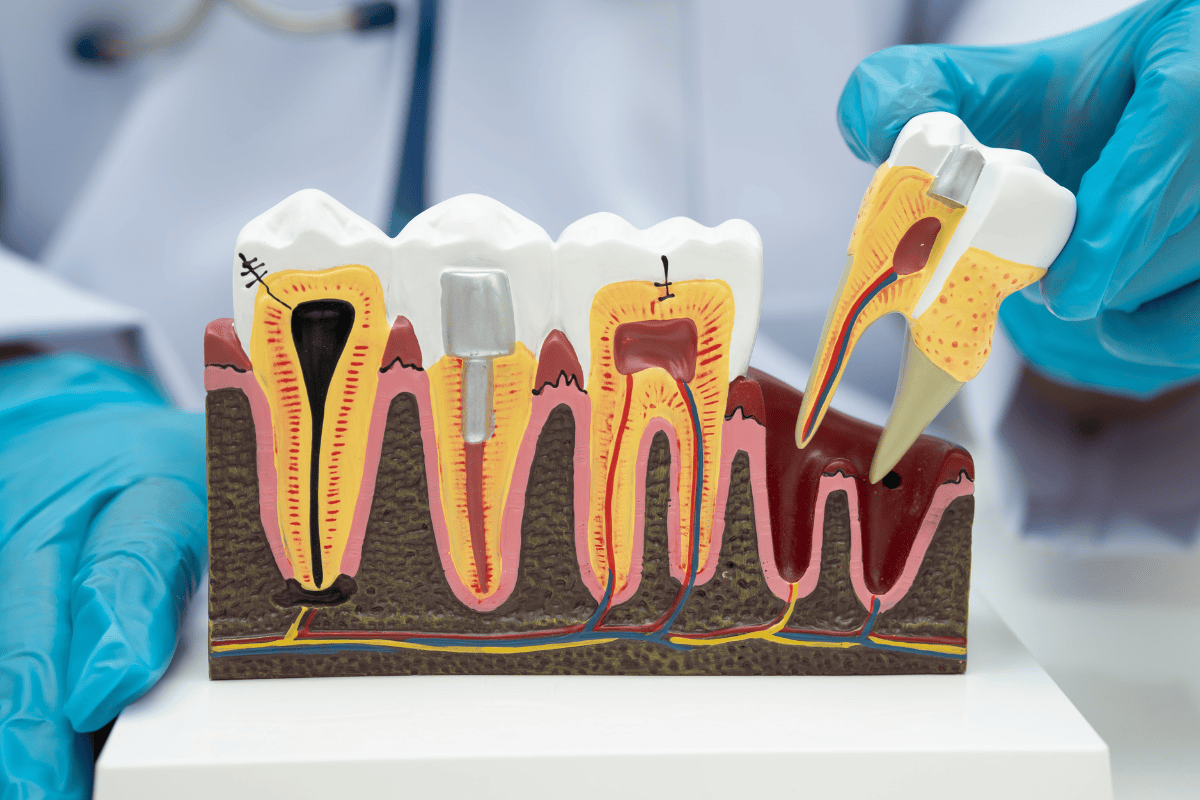
Severe, throbbing tooth pain that won’t ease up, especially when lying down, is a red flag. This kind of pain often points to an abscess or deep infection.
Swelling in your face, jaw, or neck is serious. A dental infection that spreads to surrounding tissue can become life-threatening if left untreated. This is not a wait-and-see situation.
A knocked-out tooth gives you a short window, usually 30 to 60 minutes, to save it. Keep the tooth moist (in milk or between your cheek and gum) and get to a dentist in Strafford or emergency dental care immediately.
Uncontrolled bleeding after a tooth extraction or mouth injury that doesn’t stop after 15 to 20 minutes of pressure needs prompt attention.
A broken tooth with exposed nerve causing sharp, constant pain also warrants urgent care.
Problems That Can Usually Wait Until Monday
Not every dental issue needs you to drop everything. These are generally okay to handle during regular office hours:
- A mild toothache that comes and goes
- A lost filling or crown that isn’t causing sharp pain
- A chipped tooth with no pain or bleeding
- Mild sensitivity to hot or cold
- A loose dental bridge
- A sore that’s been there a few days but isn’t getting worse
If you’re in Strafford or nearby and unsure whether your issue qualifies as urgent, calling a dentist in Strafford during business hours is always a safe first step. Most dental offices will help you figure out next steps over the phone.
The Pain Scale Test
Here’s a simple way to gauge your situation:
Pain level 1-3: Mild discomfort. Monitor it and schedule a regular appointment.
Pain level 4-6: Uncomfortable but manageable. Call your dentist first thing in the morning.
Pain level 7-10: Severe, constant, or spreading pain. Seek care today.
Keep in mind that no pain doesn’t always mean no problem. A dying nerve may stop hurting before an infection spreads. If something feels off, trust your gut.
How Infections Can Escalate Fast
One thing many people don’t realize: dental infections don’t stay put. They can spread from your tooth to your jaw, neck, and in rare cases, your airway.
Swelling that pushes your throat or makes it hard to swallow is a medical emergency. Go to the ER immediately, not just your dentist.
For milder signs of infection like a pimple-like bump on your gum, a bad taste, or localized swelling around one tooth, see a dentist near me as soon as possible. These signs mean bacteria are active and the problem is growing.
What To Do While You Wait
If you’re managing symptoms over a weekend before you can be seen:
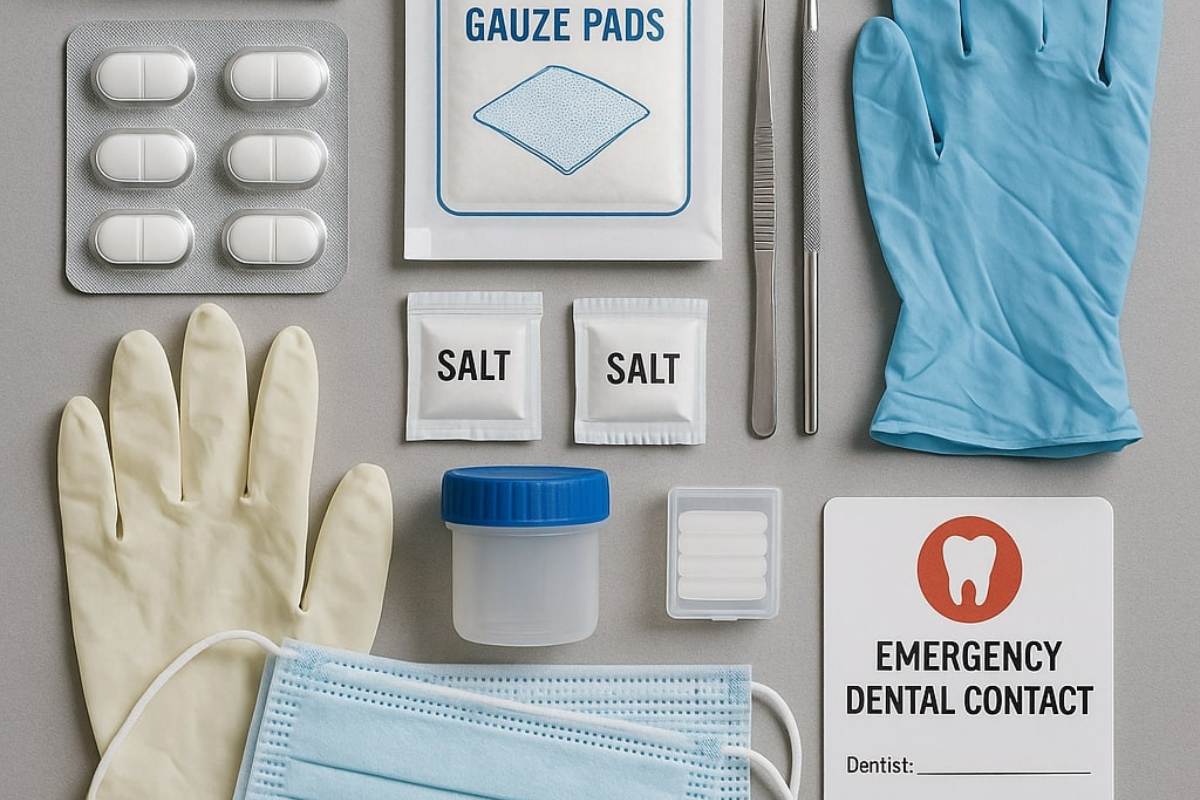
- Take over-the-counter pain relievers like ibuprofen as directed
- Rinse with warm salt water to reduce bacteria and swelling
- Avoid very hot, cold, or sugary foods
- Use dental cement (found at pharmacies) to temporarily cover a broken tooth or lost filling
- Sleep with your head elevated to reduce throbbing
These steps manage discomfort. They don’t fix the problem. You still need to see a dentist.
Local Tip for Strafford Residents
Living in a smaller community like Strafford, MO means you may not always have an emergency dental clinic around the corner. That’s why having a relationship with a local dental office matters. Knowing who to call, even after hours, saves you from making decisions under pressure.
Clear Creek Family Dental serves the Strafford community and surrounding areas. Being connected to a dentist in Strafford you already know and trust makes a real difference when something unexpected comes up.
Conclusion
Dental problems don’t always come with clear instructions. Some hurt a lot but aren’t true emergencies. Others feel mild but need quick attention. Using the guidelines above gives you a clearer starting point. When in doubt, call. A quick phone conversation with your dental office can save you hours of stress and unnecessary pain. If you’re looking for a dentist near me or a nearby dentist in Strafford who knows your history and your family, that makes the call even easier.
If you’re in the Strafford area and need guidance, schedule a consultation with Clear Creek Family Dental to address any concerns before they become bigger problems. You can also contact our Clear Creek Family Dental office directly if something comes up and you’re not sure whether it needs same-day attention.
Your mouth is connected to your whole body. Taking dental symptoms seriously is part of taking care of your overall health.
Frequently Asked Questions
Q1. How do I know if a toothache is a dental emergency?
If the pain is severe, constant, or paired with swelling or fever, it’s an emergency. Mild, occasional discomfort can usually wait for a regular appointment.
Q2. Can a dental infection go away on its own?
No. Dental infections need professional treatment. They don’t resolve without care and can spread to other areas of the body if ignored.
Q3. What should I do if I knock out a tooth?
Handle it by the crown, not the root. Rinse it gently without scrubbing, keep it moist, and get to a dentist within 30 to 60 minutes for the best chance of saving it.
Q4. Is jaw swelling always a dental emergency?
Swelling around a single tooth may be urgent but manageable. Swelling that spreads to your neck or affects swallowing or breathing needs emergency room care immediately.
Q5. What if I lose a filling over the weekend?
If there’s no sharp pain or exposed nerve, it can usually wait until Monday. Use temporary dental cement from a pharmacy to protect the area in the meantime.
Q6. Can I take antibiotics I have at home for a tooth infection?
No. Leftover antibiotics are rarely the right type or dose for dental infections. Always get a proper prescription from your dentist after an examination.
Q7. How often should I visit my dentist to avoid emergencies?
Regular checkups every six months help catch problems early before they become painful or costly emergencies.
Q8. What counts as a dental emergency for children?
A knocked-out permanent tooth, severe swelling, uncontrolled bleeding, or a child in extreme pain all warrant immediate care. Baby teeth that are chipped or slightly loose can often wait for a regular visit.