Strafford, MO


Emergency Dental Kit: What You Should Keep at Home
Introduction Small Emergencies Happen When You Least Expect Them A toothache at midnight. A knocked-out tooth during a weekend soccer game. A crown that pops off right before a family dinner. These moments are stressful, and most people have no idea what to do next. Having a simple emergency dental kit at home will not solve every problem, but it
Introduction
Small Emergencies Happen When You Least Expect Them
A toothache at midnight. A knocked-out tooth during a weekend soccer game. A crown that pops off right before a family dinner. These moments are stressful, and most people have no idea what to do next.
Having a simple emergency dental kit at home will not solve every problem, but it can buy you critical time before you reach professional care. At Clear Creek Family Dental, we often hear from patients who visit us as an emergency dentist in Strafford that a few basic supplies at home could have prevented more serious damage.
This guide walks you through exactly what to keep in your kit, when to use it, and when it is time to stop treating things at home and get professional care.
Why Every Household Needs a Dental Emergency Kit
Most families keep a first aid kit for cuts and bruises. But dental emergencies are just as common, and they can be just as urgent.
A broken tooth, a lost filling, or a sudden infection does not always happen during office hours. When something goes wrong on a Sunday evening or during a holiday weekend, knowing what supplies you have and how to use them makes a real difference. It can reduce pain, protect the tooth, and increase the chances of saving it.
Think of your dental emergency kit the same way you think of your smoke detector. You hope you never need it. But when you do, you are glad it is there.
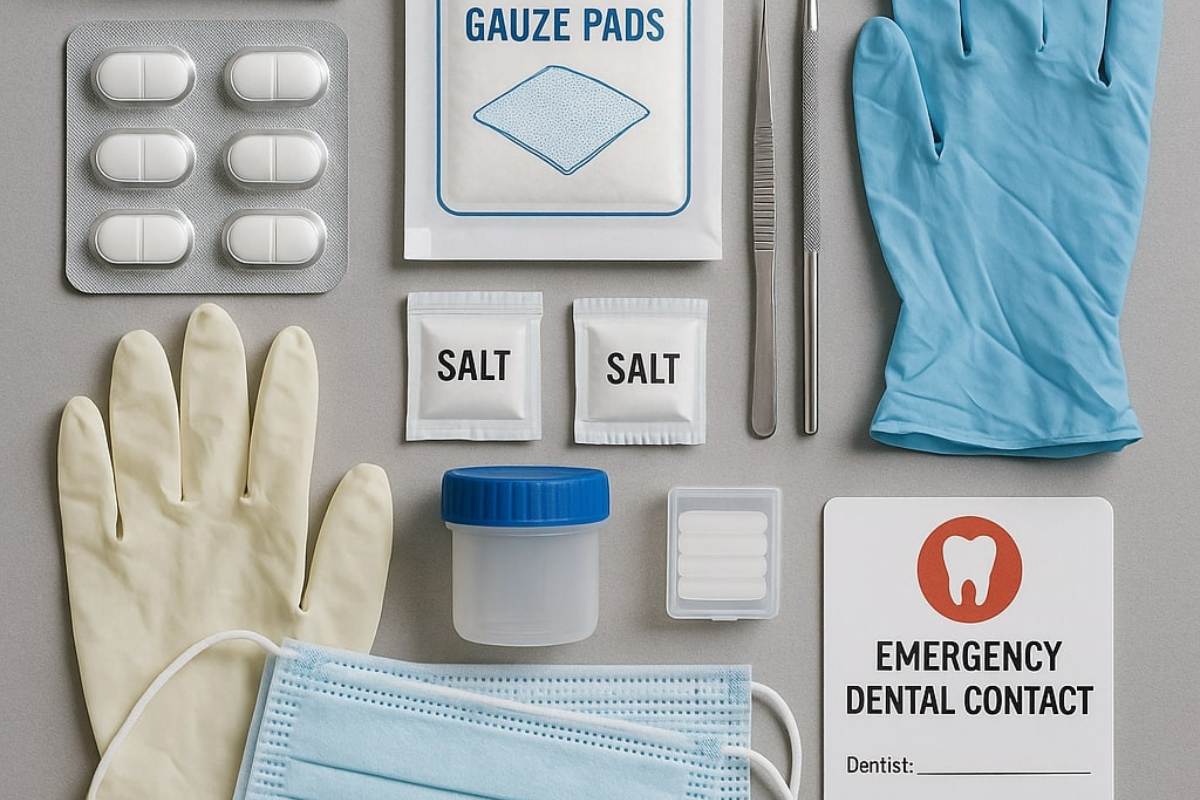
What to Put in Your Home Dental Emergency Kit
1. Dental Cement or Temporary Filling Material
This is one of the most useful items you can own. When a filling falls out or a crown comes loose, dental cement helps you seal the area and protect it until you can get in to see your dentist.
Brands like Dentemp and Recapit are available over the counter and are simple to use. Follow the package directions and do not try to force a crown back into place without reading the instructions first.
2. Dental Wax
Dental wax is soft and moldable. It is used to cover a broken tooth, a sharp wire from braces, or any rough edge that is cutting into your cheek or tongue. It does not fix anything, but it keeps you comfortable until you get professional care.
3. Clove Oil or Benzocaine Gel
Both of these products help with tooth pain. Clove oil has natural numbing properties. Benzocaine gel (found in products like Orajel) works fast and is safe for adults and older children when used as directed.
Apply a small amount to the painful area with a clean cotton swab. Do not overuse it, and keep it away from young children.
4. Saline Rinse or Salt
A warm salt water rinse is one of the oldest and most effective ways to clean a dental wound, reduce swelling, and ease mild infections. Mix half a teaspoon of salt into eight ounces of warm water.
Keep a small bottle of sterile saline in your kit as a ready option.
5. Sterile Gauze Pads
Gauze helps control bleeding after a tooth injury or extraction. It can also be used to hold a knocked-out tooth in place while you travel to get care.
Keep at least a small pack of 2×2 gauze squares in your kit.
6. Small Mirror and Tweezers
A dental mirror lets you see what is going on inside your mouth. Tweezers are useful for handling small items like loose crowns or fragments. Buy a dental-specific mirror if you can. They are inexpensive and fold up neatly.
7. Over-the-Counter Pain Reliever
Ibuprofen (Advil) or acetaminophen (Tylenol) helps manage pain and reduce inflammation while you wait for your appointment. Follow the dosing instructions on the label and do not place aspirin directly on a tooth or gum, as this can cause a chemical burn.
8. Save-a-Tooth Emergency Kit
This is a specially designed container with a preserving solution for a knocked-out tooth. If a tooth is knocked clean out of its socket, keeping it in this solution (or in cold milk as a backup) gives the best chance of reimplantation. Time matters. You generally have less than an hour to act.
Common Dental Emergencies and How to Handle Them at Home
Knocked-Out Tooth
Pick up the tooth by the crown, not the root. Rinse it gently with water but do not scrub it. Place it back in the socket if possible, or store it in the Save-a-Tooth kit or cold milk. Get to an emergency dentist in Strafford as fast as you can. The sooner you are seen, the better the chance of saving the tooth.
Lost Crown or Filling
Clean the area gently. Apply dental cement inside the crown and press it back onto the tooth. Do not use super glue. See your dentist within one to two days.
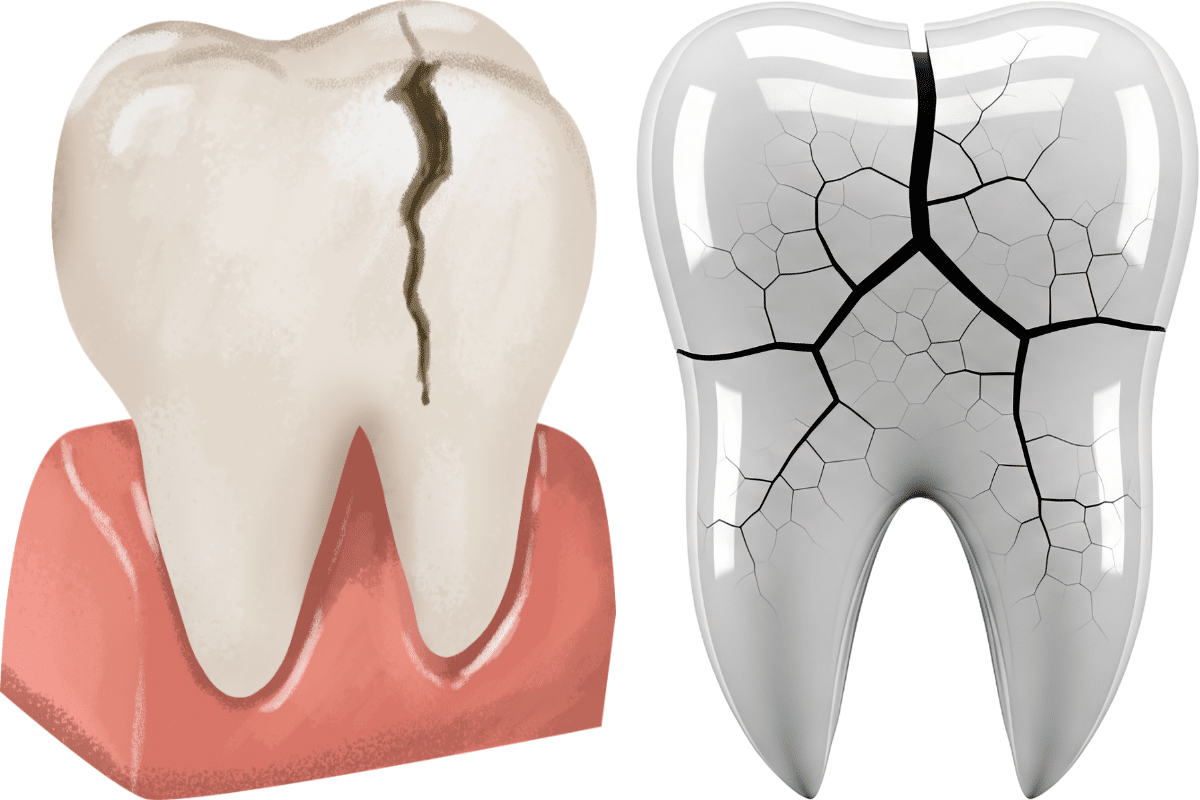
Cracked or Broken Tooth
Rinse your mouth with warm water. Apply a cold compress to the outside of your face to reduce swelling. Take a pain reliever if needed and contact your dental office.
Toothache
Rinse with salt water. Apply clove oil or benzocaine gel. Check for trapped food with floss. If the pain lasts more than a day or two, or if you notice swelling, you need to be seen by a dentist near me or at your nearest dental office right away.
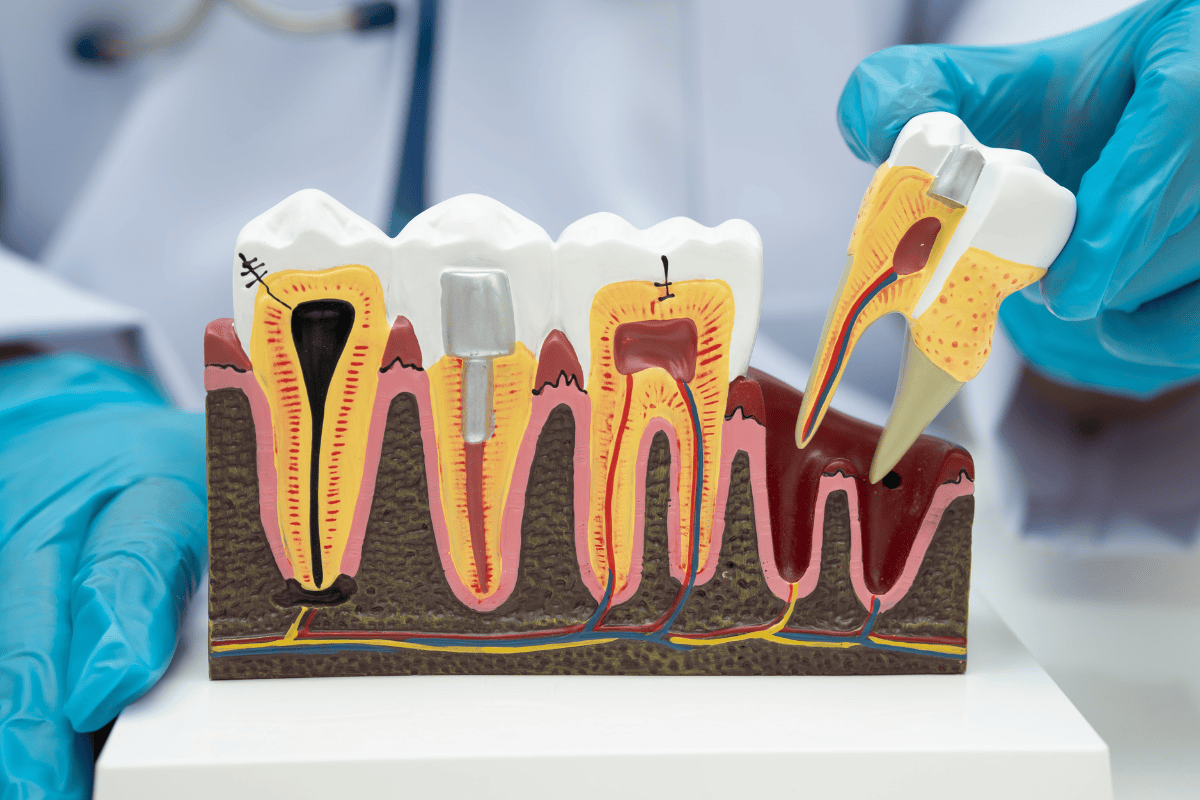
Abscess or Swelling
This one is urgent. An abscess is an infection, and infections in the mouth can spread quickly. If you notice a swollen bump near a tooth, pain when chewing, or a bad taste in your mouth, do not wait. Rinse with salt water and call your dentist the same day. Families in the area know that reaching an emergency dentist in Strafford quickly is the safest step when swelling or infection is involved.
What Not to Do in a Dental Emergency
These mistakes can make things worse:
- Do not ignore pain that lasts more than 48 hours.
- Do not use super glue on teeth or crowns.
- Do not place aspirin directly on your gum.
- Do not try to pull a painful tooth yourself.
- Do not assume swelling will go away on its own.
Your home kit is a bridge between the emergency and your dental appointment, not a replacement for it.
Tips for Families With Children
Kids are especially prone to dental injuries. Loose teeth, sports accidents, and falls are common between ages five and twelve.
Keep your kit in an accessible place that adults can reach quickly. If a child knocks out a baby tooth, do not attempt to reimplant it. Place it safely in a small bag and call your dentist for guidance.
If your child plays contact sports, ask about custom mouthguards at your next visit. A well-fitted mouthguard prevents many of these emergencies before they start.
Knowing When Home Care Is Not Enough
Your emergency dental kit is a first-response tool. It helps you manage pain and protect the tooth, but it is not a cure.
You need to see a professional when:
- Pain is severe or does not improve with over-the-counter medication
- There is significant swelling in the jaw, face, or neck
- You have a knocked-out permanent tooth
- You suspect an infection or abscess
- A child has injured their teeth or gums
Patients across the area trust Clear Creek Family Dental for prompt, caring service. Our Strafford and Ash Grove offices are ready to handle dental emergencies with the attention your family deserves. If you find yourself searching for a dentist near me during an unexpected dental situation, we are ready to help.
Conclusion: Be Ready Before the Emergency Happens
You do not need to be a dental professional to handle a dental emergency well. You just need to be prepared.
Put together your home dental kit today. Stock it with the items listed above, keep it somewhere easy to find, and replace anything that expires. Knowing you have the right tools on hand will reduce panic and help you protect your teeth until you can get proper care.
When pain strikes late at night or on a weekend, having a trusted emergency dentist in Strafford you can call makes all the difference. Do not wait until something goes wrong to figure out where to turn.
If you ever face a dental emergency, do not hesitate to schedule a consultation with Clear Creek Family Dental. Our team at both the Strafford and Ash Grove locations is here to give you and your family the fast, professional care you need. You can also contact our Clear Creek Family Dental office directly to ask about same-day appointments for urgent dental situations.
A little preparation today can save a tooth tomorrow.
Frequently Asked Questions
1. What is a dental emergency kit and why do I need one?
A dental emergency kit is a collection of basic dental supplies you keep at home for unexpected tooth pain, injuries, or damage. It helps you manage the situation safely while you arrange to see a dentist.
2. What is the most important item to have in a home dental kit?
Dental cement is one of the most useful items because it handles two of the most common emergencies: loose crowns and lost fillings. A pain reliever and gauze pads are equally important to have on hand.
3. How do I store my dental emergency kit?
Keep it in a clean, dry place that is easy to reach, like a bathroom cabinet or medicine drawer. Check it every six months to replace anything that has expired or run out.
4. Can I use super glue to fix a loose crown at home?
No. Super glue is toxic in the mouth and can damage both the crown and the tooth. Use dental cement instead, which is made specifically for this purpose and is safe to use temporarily.
5. What should I do if a tooth gets knocked out completely?
Handle the tooth by the crown only. Rinse it gently, store it in a Save-a-Tooth kit or cold milk, and see a dentist within an hour if possible. Time is the most important factor in saving a knocked-out tooth.
6. How long can I rely on a temporary filling before seeing a dentist?
Temporary fillings are designed to last a few days, not weeks. See your dentist within one to two days. Waiting too long can lead to further damage or infection.
7. Is a toothache always a dental emergency?
Not always, but it should never be ignored. A toothache that lasts more than two days, comes with swelling, or causes fever needs prompt professional attention. Use your home kit to manage the pain in the meantime.
8. Are dental emergencies covered by insurance?
Most dental insurance plans include some coverage for emergency visits. Coverage varies by plan, so it is best to call your insurance provider or your dental office to confirm what is included before your appointment.