Strafford, MO



What to Expect When You Visit an Emergency Dentist for the First Time
Dental emergencies don’t wait for a good time. A cracked tooth during dinner, sudden swelling on a Sunday morning, or a knocked-out tooth at work, these situations can feel scary, especially if you’ve never dealt with one before. Knowing what happens during an emergency dental visit takes away the fear of the unknown. Here’s a clear, honest look at what
Dental emergencies don’t wait for a good time. A cracked tooth during dinner, sudden swelling on a Sunday morning, or a knocked-out tooth at work, these situations can feel scary, especially if you’ve never dealt with one before.
Knowing what happens during an emergency dental visit takes away the fear of the unknown. Here’s a clear, honest look at what to expect.
What Counts as a Dental Emergency?
Not every toothache needs same-day care, but some situations do. You should look for an emergency dentist ash grove right away if you have:
- A knocked-out or loose adult tooth
- Severe, ongoing tooth pain
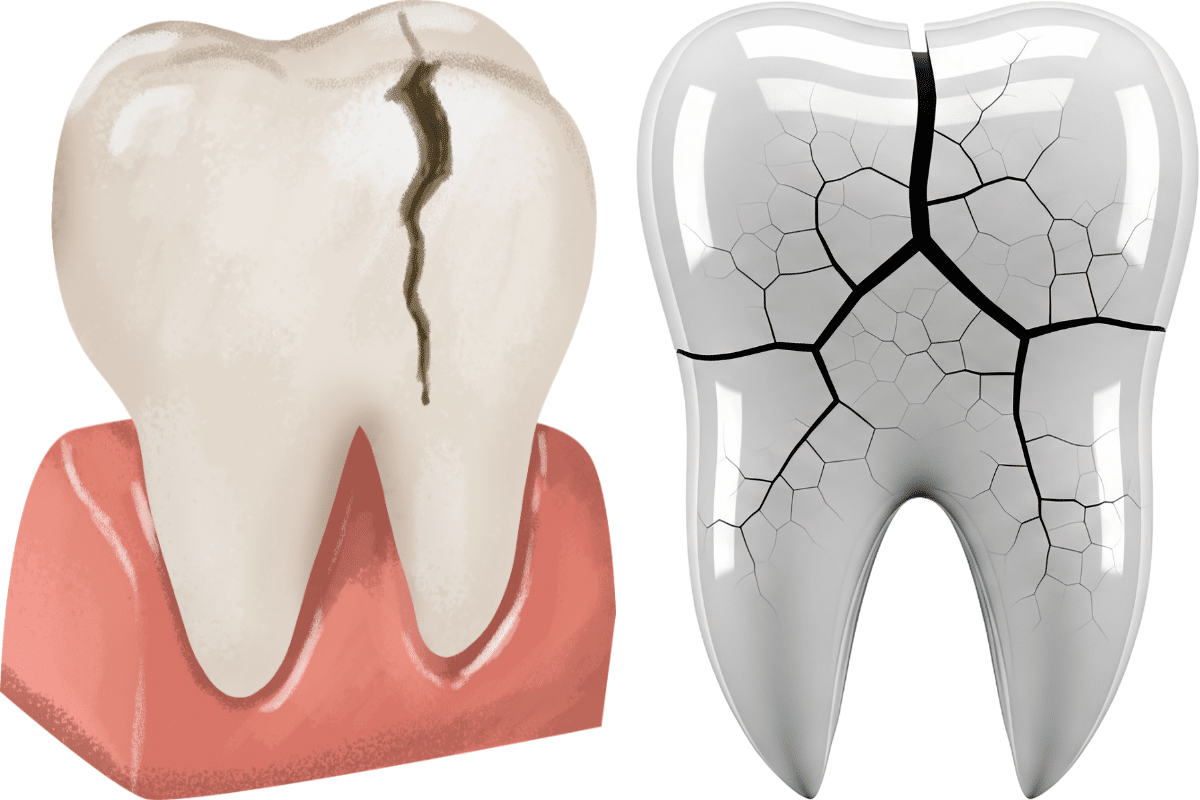
- A cracked or broken tooth with sharp edges
- Swelling in your jaw, gum, or face
- A dental abscess (painful swelling that may have pus)
- Bleeding that won’t stop after an injury
If you’re unsure, call a dental office and describe your symptoms. They’ll help you decide how urgent it is.
When You Arrive: The First Few Minutes
Walking into a dental office in pain can feel overwhelming. Most offices understand this and try to move quickly.
You’ll likely be asked to fill out a short form with your basic health history and insurance information. If you’re in severe pain, let the front desk know right away. Many offices will try to get you into a room faster based on how serious your situation is.
Bring any dental records if you have them, but don’t delay going just because you don’t.
The Exam and X-Rays
Once you’re in the chair, the dentist will ask you a few simple questions. Where does it hurt? When did it start? Is the pain constant or does it come and go?
After that, they’ll take a close look at the area. X-rays are almost always part of this step. They help the dentist see what’s happening below the gum line, things that can’t be seen just by looking.
This part usually takes 15 to 30 minutes. The goal is to find the cause of the problem before doing anything else.
Treatment Options You May Be Offered
Based on what they find, the dentist will explain your options clearly. Common treatments during an emergency visit include:
Pain relief first. If you’re in a lot of pain, they may give you a local anesthetic to numb the area before anything else.
Tooth repair. A broken or chipped tooth can sometimes be smoothed down or temporarily bonded the same day.
Tooth extraction. If a tooth is too damaged to save, removing it may be the safest choice. The dentist will explain why and what comes next.
Abscess treatment. This may involve draining the infection and prescribing antibiotics to stop it from spreading.
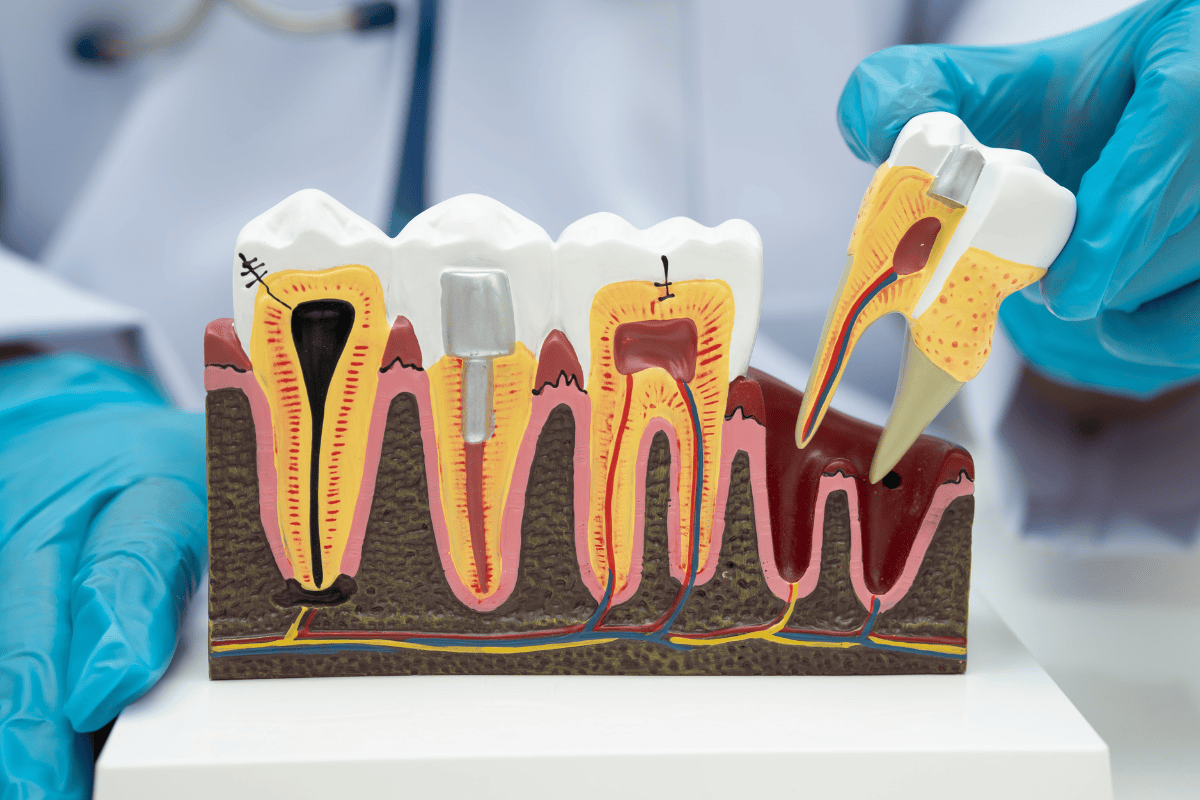
Root canal. If the nerve of a tooth is infected, a root canal removes the damaged tissue and saves the tooth. Some offices can start this on the same visit.
The dentist won’t push unnecessary treatments. They’ll tell you what’s needed now and what can wait.
What About the Cost?
This is one of the most common concerns people have. Emergency dental visits do cost more than routine appointments, but most offices work with you.
Bring your insurance card if you have one. The front desk can often give you a rough cost estimate before treatment begins. If you don’t have insurance, ask about payment plans or financing options. Many clinics offer these.
After Your Visit: What Comes Next
Once the immediate problem is handled, the dentist will go over aftercare with you. This may include:
- Instructions for managing pain at home
- Prescriptions for antibiotics or pain medication
- A follow-up appointment to finish treatment or check healing
Follow these instructions carefully. Skipping follow-up care is one of the most common reasons dental problems come back.
Tips for Staying Calm During Your Visit
It’s normal to feel nervous, especially if it’s your first time. A few things that help:
- Tell the dentist you’re anxious. They can slow down or explain each step.
- Ask questions if something is unclear.
- Focus on your breathing while you wait.
- Bring someone with you if that makes you feel more comfortable.
Emergency dental teams deal with worried patients every day. You don’t need to pretend to be fine.
Frequently Asked Questions
1. How do I find an emergency dentist quickly?
Search “dentist near me” online and filter for same-day or emergency appointments. Call ahead to confirm they accept walk-ins.
2. Can I go to an emergency room instead?
An ER can treat infection and pain, but they can’t fix the tooth itself. You’ll still need to see a dentist after.
3. What if my tooth gets knocked out?
Keep it moist. Place it back in the socket if you can, or put it in milk. Get to a dentist within 30 to 60 minutes for the best chance of saving it.
4. Will the dentist judge me for not coming in sooner?
No. Emergency dentists focus on helping you, not on how long you waited.
5. Does an emergency visit hurt?
The dentist will numb the area before any procedure. Most patients feel much better after treatment than they did coming in.
6. How long will the visit take?
Most emergency appointments last between 45 minutes and 90 minutes, depending on the problem.
7. Do I need a referral to see an emergency dentist?
No referral is needed. You can call and book directly.
8. What should I bring to my first emergency dental visit?
Bring a photo ID, insurance card, list of current medications, and any dental records if available.
Conclusion
A dental emergency is stressful, but going in prepared makes the whole experience much easier. You now know what happens from the moment you arrive to the time you leave.
If you’re dealing with tooth pain or a dental injury, don’t wait it out hoping it goes away. Searching for an emergency dentist ash grove residents trust is a good place to start. Clear Creek Family Dental is here to help when you need it most.
To get care right away, schedule a consultation with Clear Creek Family Dental or contact our Clear Creek Family Dental office directly. Whether you searched for a dentist near me or heard about us through a neighbor, we’re ready to help you feel better fast. Just call us and we’ll take it from there.