Strafford, MO



Signs You Need an Emergency Dentist Immediately
Dental problems do not always happen during regular office hours. A sudden tooth injury, swelling, or intense pain can quickly disrupt your daily life and may signal a serious oral health issue. Knowing when to seek urgent care can make a significant difference in protecting your teeth, gums, and overall well-being. This guide explains the most common warning signs that
Dental problems do not always happen during regular office hours. A sudden tooth injury, swelling, or intense pain can quickly disrupt your daily life and may signal a serious oral health issue. Knowing when to seek urgent care can make a significant difference in protecting your teeth, gums, and overall well-being. This guide explains the most common warning signs that indicate you may need emergency dental attention right away.
Understanding Dental Emergencies
A dental emergency involves any issue that requires immediate treatment to stop pain, control infection, or prevent permanent damage. Some problems may seem minor at first, but can worsen rapidly without professional care. Recognizing the early signs helps ensure you receive timely treatment before complications develop.
Severe or Persistent Tooth Pain
One of the clearest indicators of a dental emergency is severe, persistent tooth pain. Sharp, throbbing, or constant discomfort may point to nerve damage, deep decay, or an infection. If pain interferes with sleep or daily activities, it is not something to ignore. Seeking care from an emergency dentist in Ash Grove during this stage can help address the root cause and prevent further harm.
Pain Triggered by Pressure or Temperature
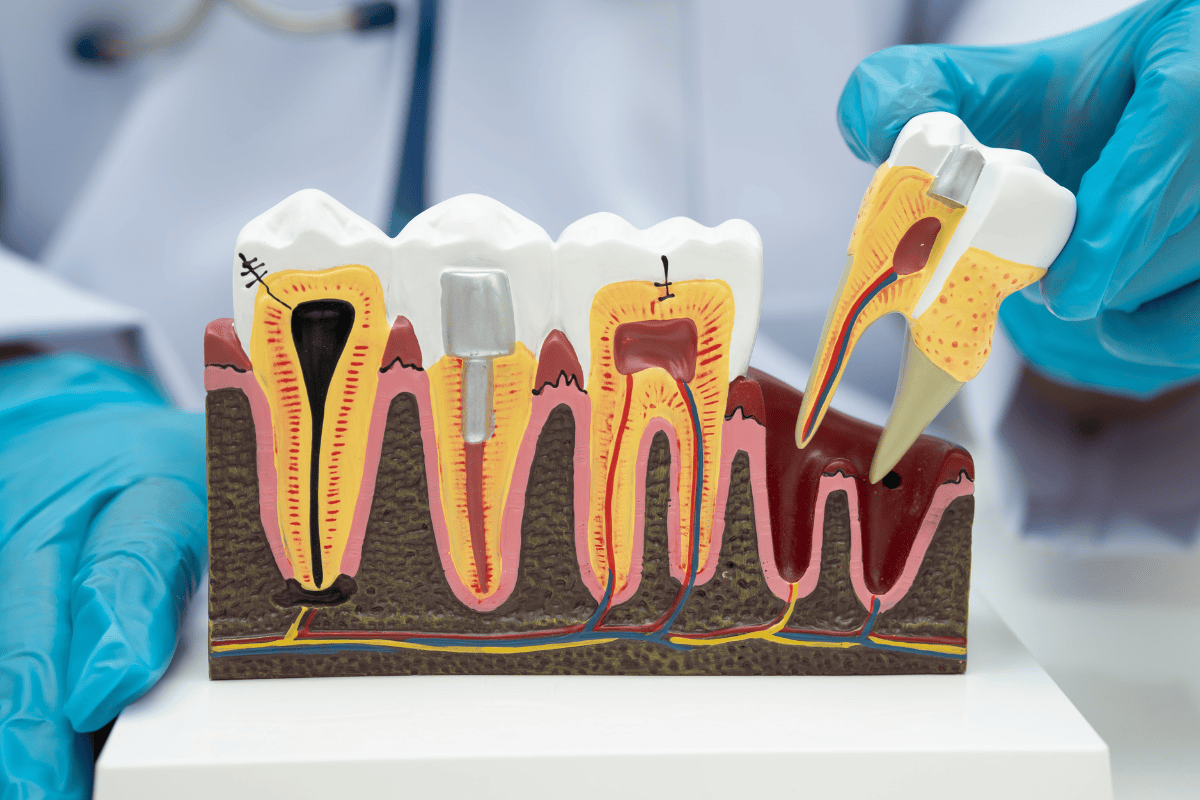
Pain that worsens when chewing or reacting strongly to hot or cold temperatures often signals internal tooth damage. These symptoms suggest that the tooth’s inner structures may be affected and require immediate evaluation.
Swollen Gums or Facial Swelling
Swelling around the gums, jaw, or face is another urgent warning sign. This can indicate an abscess or spreading infection, which may pose risks beyond oral health if left untreated. Facial swelling accompanied by fever or difficulty swallowing requires prompt dental care to reduce the risk of serious complications.
Knocked-Out or Broken Tooth
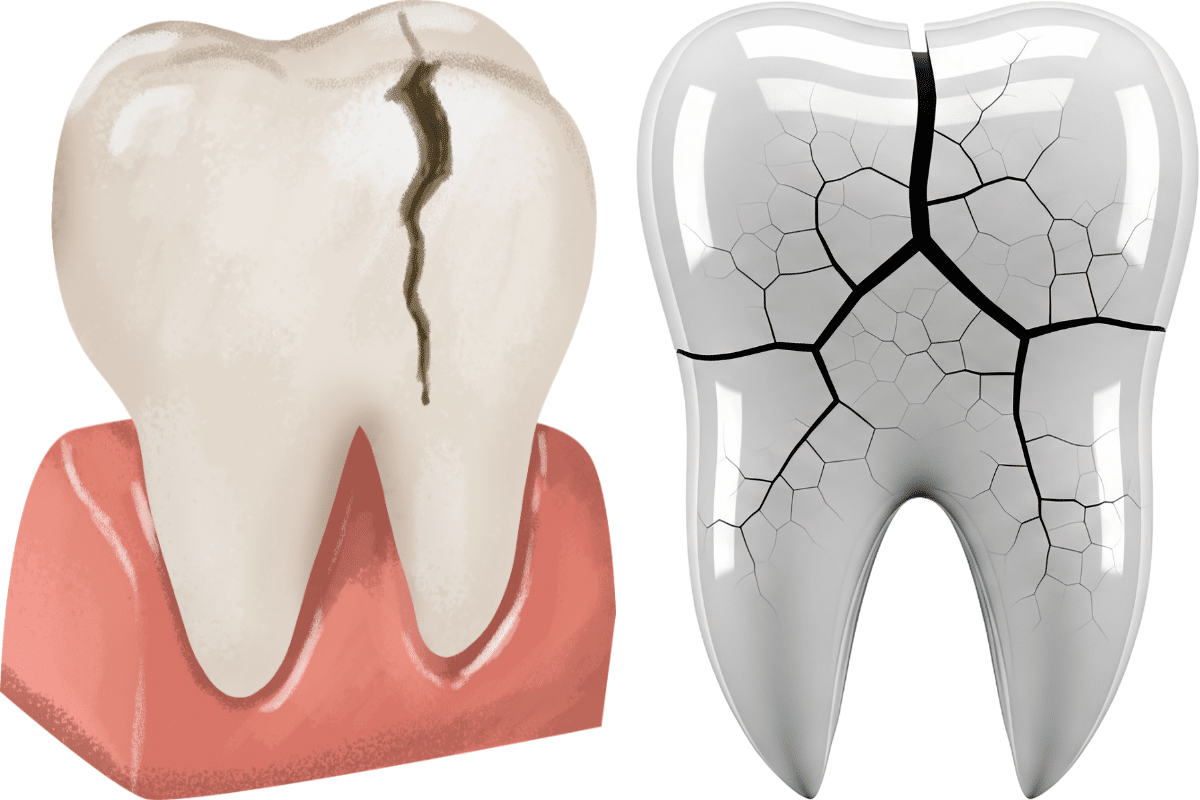
Accidents happen, and dental injuries can occur during sports, falls, or unexpected impacts. A knocked-out tooth is especially time-sensitive, as quick action improves the chance of saving it. Broken or cracked teeth also need immediate attention to protect the remaining structure and prevent infection. In these situations, it is essential to visit our dental office in Ash Grove promptly for proper evaluation and treatment.
Soft Tissue Injuries
Cuts or tears to the lips, tongue, or gums that continue bleeding may also require emergency dental care. These injuries can be painful and may need professional treatment to heal correctly.
Signs of Infection
Dental infections often begin subtly but can escalate quickly. Symptoms such as a bad taste in the mouth, pus near the gums, persistent swelling, or fever should never be ignored. Infections can spread to other parts of the body, making early intervention critical.
When to Take Immediate Action
If you are unsure whether your situation qualifies as an emergency, it is better to err on the side of caution. Sudden pain, visible damage, or unusual swelling are all valid reasons to seek urgent dental care. Prompt treatment can relieve discomfort and protect your long-term oral health.
Get Help When You Need It Most
Dental emergencies can be stressful, but you do not have to handle them alone. Timely care from a trusted professional can restore comfort and prevent lasting damage. If you or a loved one is experiencing urgent dental symptoms, contact us today to receive prompt guidance and care from an experienced team.
Frequently Asked Questions
- What qualifies as a dental emergency?
Any situation involving severe pain, swelling, infection, or dental trauma that needs immediate attention is considered an emergency.
- Can I wait until regular hours for tooth pain?
If the pain is intense, persistent, or worsening, waiting may lead to complications. Immediate care is recommended.
- What should I do if a tooth gets knocked out?
Handle the tooth carefully, avoid touching the root, and seek emergency dental care promptly.
- Is swelling always a dental emergency?
Swelling often indicates infection or injury and should be evaluated promptly, especially if accompanied by pain or fever.
- Are broken teeth considered urgent?
Yes, broken or cracked teeth expose inner structures and increase the risk of infection, making timely treatment important. - How can I prevent dental emergencies?
Maintaining good oral hygiene, wearing protective gear during sports, and attending regular dental checkups can reduce risks.