Strafford, MO



What To Expect During A Routine Cleaning With A Dentist: A Step-By-Step Guide
Periodic dental cleanings are essential for preserving your general health rather than just keeping your smile looking great. You are not the only person anxious about visiting the dentist or questioning what occurs during prophylaxis. However, knowing the procedure can make you feel less daunting and more like an essential part of self-care. Every stage is intended to maintain the
Periodic dental cleanings are essential for preserving your general health rather than just keeping your smile looking great. You are not the only person anxious about visiting the dentist or questioning what occurs during prophylaxis.
However, knowing the procedure can make you feel less daunting and more like an essential part of self-care. Every stage is intended to maintain the health of your teeth and gums.
From eliminating tough plaque to leaving your teeth feeling incredibly clean, a dentist performs all with perfection, removing discomfort. If you are opting for a cleanup for the first time or are just curious about the process, read this blog to understand what to anticipate, from basics to major issues. It is easier than you could think!
Steps Involved In Routine Dental Cleanup
1. Consultation
The initial stage is a consultation with a skilled professional who will analyze your oral condition before proceeding. Dental exams usually take an hour or less and are non-invasive. Once done, the team plans for a durable treatment that avoids future complications.
Further, they ensure that your oral health is on point so that you do not need any restorative options.
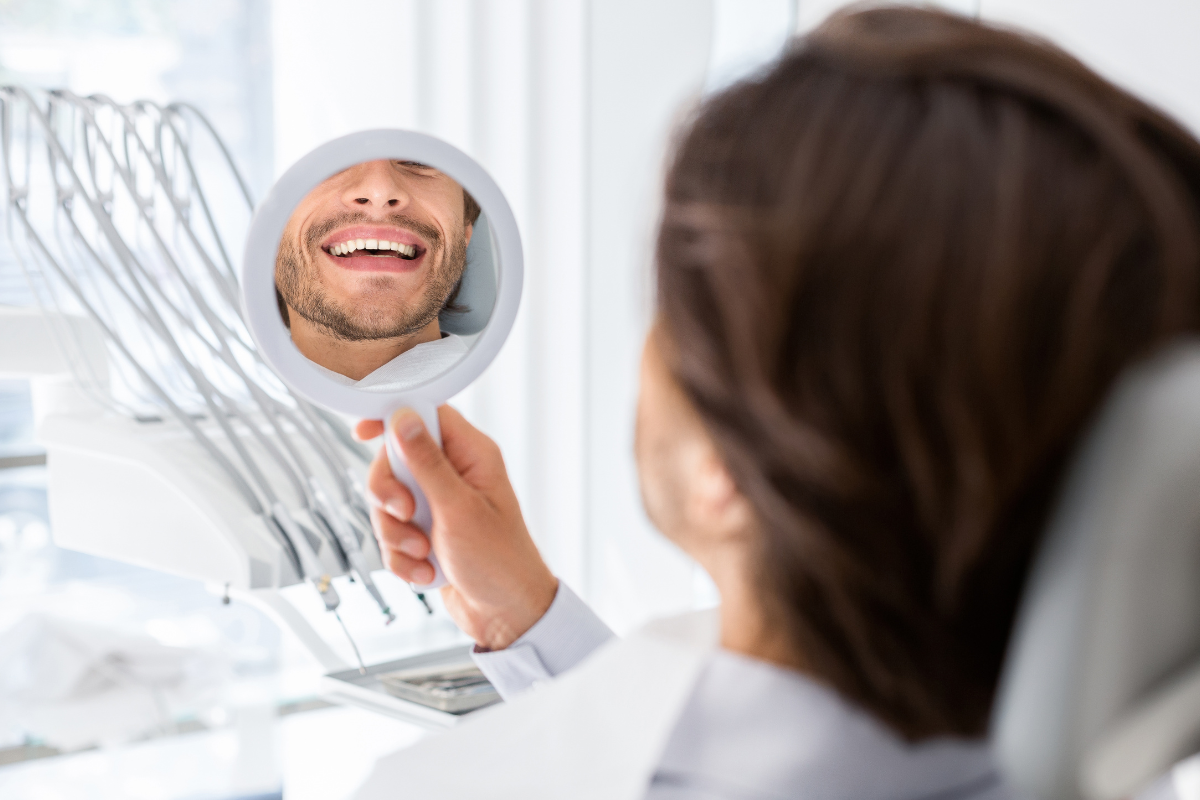
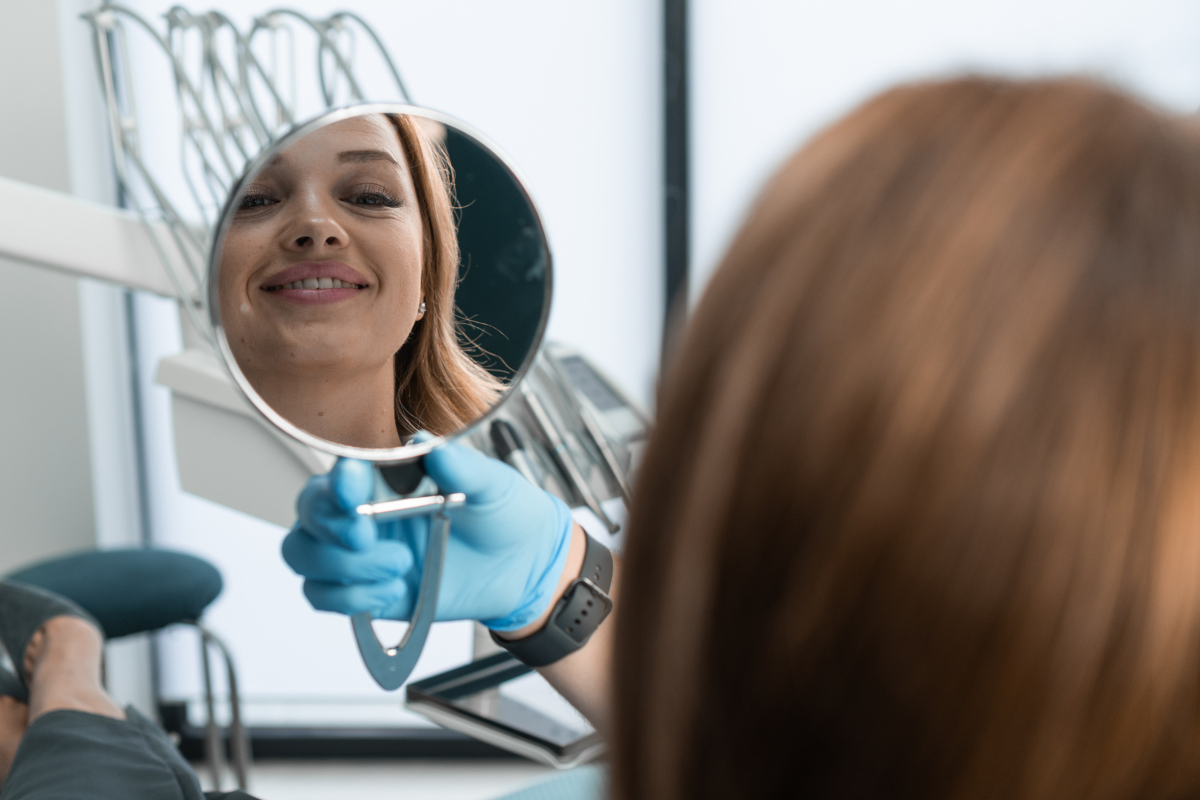
The dentist will use a mirror that acts as a magnifying glass to examine the areas of the gums and teeth with plaque and tartar. During the cleaning, the dentist will pay particular attention to these areas.
2. Putting The Plan Together
The process takes place in four significant phases, which are as follows:
- Plaque Removal
This periodontal therapy begins by carefully scraping away plaque and tartar accumulation, particularly between your teeth and around your gum line. They use a tiny instrument known as a scaler to conduct this step. Regular brushing may not permanently remove residues, which necessitates an expert touch.
It is usually a short and painless procedure. Plaque removal makes your teeth feel cleaner and smoother while preventing cavities and gum disease.
- Brushing
The dentist uses an electric toothbrush to remove the remaining debris in the mouth. The toothpaste has a gritty texture, which helps polish your teeth, making them look natural and white.
- Flossing
A hygienist will floss to clean all the spaces between your teeth. This step is performed to get rid of any plaque and food particles that brushing might miss. Additionally, it helps identify any bleeding gums, which could mean inflammation or gum disease.
- Rinsing
Rinsing is the last phase of the periodontal maintenance stage. A cup of water or a special dental rinse will be provided for you to swish and spit out. Doing this ensures your mouth is clean and fresh, ready for a beautiful smile!
If you are looking for ‘dentists near me,’ check out experienced specialists who ensure the utmost comfort at every stage if you are anxious.
The Final Check-Up
In the end, the dentist talks about your oral health and addresses any tooth problem you may have. Moreover, you will be given a personalized aftercare plan to keep your tooth and gum healthy for longer.
Looking for professional oral cleanup services offering optimum care and delivering the best results? Visit our dental office to consult an expert who will guide you through the process.
Does Dental Cleanings Hurt?
Generally, the specialized process of prophylaxis is painless. You might experience a vibrating effect of the instruments used. The vibrations might feel a bit unusual, but they do not scar or cause any pain.
It is crucial to note that the process continues with a self-care routine even after professional cleaning. Your daily lifestyle and eating habits are vital in maintaining oral hygiene. Thus, to sustain the results, continue brushing and flossing between visits to prevent periodontal disease.