Strafford, MO


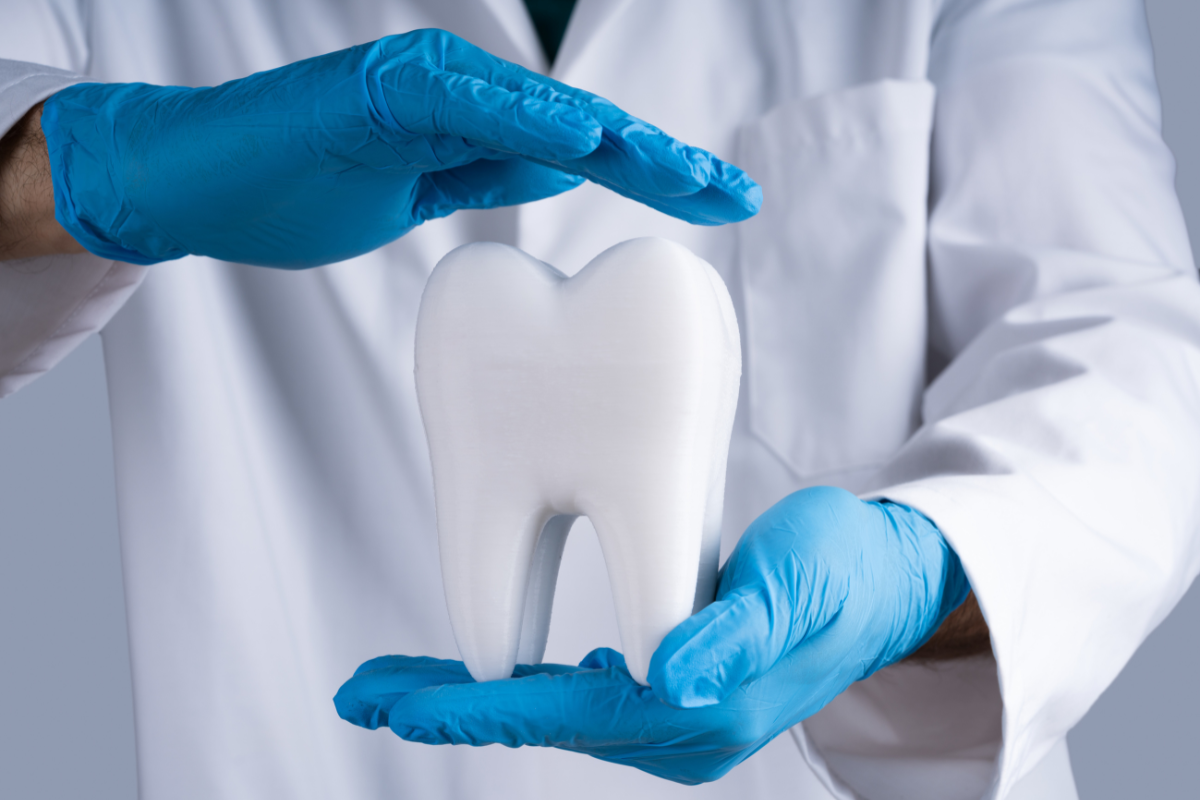
The Best Ways to Protect Your Tooth Enamel: An Expert Dentist Guide
Your teeth work hard every single day. Every bite, every sip, every smile puts your enamel to the test. And once that enamel is gone, it does not come back. That is why protecting it now matters more than most people realize. Whether you are dealing with sensitivity, early erosion signs, or just want to stay ahead of the problem,
Your teeth work hard every single day. Every bite, every sip, every smile puts your enamel to the test. And once that enamel is gone, it does not come back. That is why protecting it now matters more than most people realize.
Whether you are dealing with sensitivity, early erosion signs, or just want to stay ahead of the problem, this guide walks you through what works and why. If you have been searching for a dentist near me or a dentist in strafford who genuinely helps patients understand their oral health, you are in the right place.
What Is Tooth Enamel and Why Does It Matter?
Enamel is the hard outer layer of your tooth. It protects the softer inner layers from bacteria, temperature changes, and daily wear. It is actually the hardest substance in the human body, but it is not indestructible.
Once enamel wears away, the layer underneath (called dentin) gets exposed. That leads to sensitivity, discoloration, and a higher risk of cavities. The good news is that with the right habits, you can slow erosion and keep your enamel strong for years.
Common Causes of Enamel Erosion
Before protecting your enamel, it helps to know what harms it. Here are the most common causes:
- Acidic foods and drinks (sodas, citrus fruits, sports drinks, coffee)
- Frequent snacking throughout the day
- Acid reflux or GERD, which exposes teeth to stomach acid
- Brushing too hard or using a hard-bristled toothbrush
- Dry mouth, which reduces saliva that normally protects teeth
- Grinding or clenching teeth (bruxism)
Many patients in local communities around Ash Grove and Strafford, MO ask about these issues regularly. Diet habits, water quality, and even the climate can play a role in how fast enamel wears down in your area.
Practical Ways to Protect Your Enamel
1. Watch What You Drink (and How You Drink It)
Acidic drinks are one of the biggest threats to enamel. Sodas, energy drinks, lemonade, and even sparkling water can all soften enamel over time.
Try these small swaps:
- Drink acidic beverages through a straw to limit contact with teeth
- Rinse your mouth with water after drinking anything acidic
- Wait at least 30 minutes before brushing after eating or drinking something acidic
- Choose plain water as your go-to drink throughout the day
2. Use Fluoride Toothpaste
Fluoride helps remineralize enamel by strengthening it at a microscopic level. It does not restore lost enamel, but it does help slow future damage. Look for toothpaste with fluoride listed as an active ingredient and brush twice a day with a soft-bristled brush.
3. Cut Back on Snacking
Every time you eat, your mouth becomes acidic for about 20 to 30 minutes. If you snack constantly throughout the day, your teeth rarely get a break. Try to stick to set meal times and limit snacking in between.
4. Stay Hydrated
Saliva is your mouth’s natural defense. It neutralizes acids and helps remineralize enamel. Dry mouth removes that protection. Drinking enough water keeps saliva flowing and reduces the damage from acid exposure.
5. Address Teeth Grinding
Many people grind their teeth at night without knowing it. Signs include jaw soreness in the morning, worn-down teeth, or headaches. A custom night guard from your dentist can protect enamel from the physical pressure of grinding. This is something a dentist near me can evaluate and treat quickly.
6. Be Careful With Hard Foods
Chewing on ice, hard candy, or using your teeth to open packaging can cause micro-fractures in your enamel. Over time, those tiny cracks make enamel more vulnerable to erosion and breakage.
7. Treat Acid Reflux
If you have frequent heartburn or acid reflux, the stomach acid that enters your mouth is highly corrosive to enamel. Talk to your doctor about managing GERD and let your dentist know so they can monitor any related dental damage.
What Your Dentist Can Do to Help
Home care alone is not always enough. Professional dental visits give you a chance to catch erosion early and access treatments that are not available over the counter.
Here is what your dentist can offer:
- Fluoride treatments to strengthen weakened enamel
- Dental sealants to protect vulnerable spots
- Custom mouthguards for grinding
- Bonding or veneers if enamel loss is already significant
- Personalized advice based on your diet, lifestyle, and dental history
If you are looking for a dentist in Strafford or the surrounding area, there are several options across Greene County and the Springfield metro region. Clinics in Rogersville, Republic, Willard, and Ozark all serve the local community. However, the level of personalized care and treatment range can vary. Clear Creek Family Dental, with locations in Ash Grove and Strafford, MO, is known for providing thorough, patient-focused care that goes beyond the basics.
Foods That Help Protect Enamel
Not everything is a threat. Some foods actually support enamel health:
- Dairy products like cheese, milk, and yogurt help neutralize acid and provide calcium
- Leafy greens are rich in calcium and folic acid
- Crunchy vegetables like celery and carrots help clean teeth naturally
- Nuts provide calcium and phosphates that support enamel strength
- Green and black tea contain polyphenols that reduce bacteria in the mouth
Adding more of these to your diet is a simple way to support your dental health between visits.
How to Know If Your Enamel Is Already Eroding
Some signs of enamel erosion are easy to spot. Others require a professional evaluation. Watch for:
- Increased sensitivity to hot, cold, or sweet foods
- Teeth that look more yellow than usual (dentin showing through)
- Rounded or shiny-looking teeth
- Small chips or cracks along the edges of teeth
- Rough or uneven tooth surfaces
If you notice any of these, it is worth scheduling a checkup. Catching erosion early gives you far more treatment options. For anyone searching for a dentist in Strafford with experience in enamel-related issues, Clear Creek Family Dental offers both preventive and restorative care.
Building a Daily Routine That Protects Enamel
Protecting your enamel does not require big lifestyle changes. Small, consistent habits make the biggest difference.
A solid daily routine looks like this:
- Brush twice a day with fluoride toothpaste and a soft-bristled brush
- Floss once a day to remove buildup between teeth
- Rinse with water after meals or acidic drinks
- Drink plenty of water throughout the day
- Avoid snacking late at night or constantly throughout the day
- Visit your dentist every six months for a checkup and cleaning
These habits take minutes a day, but they protect your teeth for decades.
Conclusion
Enamel erosion is one of the most preventable dental problems, but only if you act before damage gets serious. The right diet, smart hydration habits, and regular professional care go a long way in keeping your teeth strong and healthy.
If you have been putting off a dental visit or noticed any signs of sensitivity or wear, now is the time to take action. For those searching for a dentist near me in the Strafford, Ash Grove, or surrounding MO areas, Clear Creek Family Dental offers the kind of thorough, caring service that makes a real difference. Schedule a consultation with Clear Creek Family Dental today and take the first step toward better enamel health.
Frequently Asked Questions (FAQs)
1. Can enamel grow back once it is lost?
No, enamel cannot regenerate once it is worn away. However, treatments like fluoride can help strengthen what remains and slow further damage.
2. How often should I visit the dentist to protect my enamel?
Most adults benefit from visiting twice a year. Those with a higher risk of erosion may need more frequent checkups.
3. Is it safe to use whitening toothpaste on sensitive teeth?
Some whitening toothpastes can be too abrasive for people with enamel loss. Talk to your dentist before using any whitening product if you already have sensitivity.
4. Does drinking coffee damage enamel?
Coffee is mildly acidic and can contribute to enamel erosion over time. Drinking it in one sitting rather than sipping throughout the day reduces the acid exposure.
5. What type of toothbrush is best for protecting enamel?
A soft-bristled toothbrush is always the safest choice. Medium or hard bristles can wear down enamel, especially with aggressive brushing.
6. Can children lose enamel too?
Yes, children are also at risk, especially if they drink a lot of juice or soda. Building good habits early protects their teeth as they grow.
7. Is teeth grinding really that harmful to enamel?
Bruxism can cause significant enamel loss over time, often without noticeable symptoms until the damage is already done. A night guard is a simple and effective solution.
8. Are there any supplements that support enamel health?
Calcium and vitamin D are important for overall tooth and bone health. A balanced diet typically provides enough, but your dentist or doctor can advise if a supplement is needed.