Strafford, MO



Sudden Tooth Pain That Disrupts Sleep: When Immediate Dental Treatment Is Necessary
It is 2 a.m. and a sharp ache pulls you out of bed. You press a cold cloth to your jaw, take a pain pill, and wait. The pain does not ease. Many patients in Ash Grove and Strafford know this feeling, and the first question is always the same: can this wait until morning? When pain wakes you at
It is 2 a.m. and a sharp ache pulls you out of bed. You press a cold cloth to your jaw, take a pain pill, and wait. The pain does not ease. Many patients in Ash Grove and Strafford know this feeling, and the first question is always the same: can this wait until morning? When pain wakes you at night, reaching an emergency dentist ash grove families can count on may save your tooth and protect your health. This guide explains why tooth pain gets worse after dark, which signs mean you need care now, and what to do until you are seen.
Quick answer: Tooth pain that wakes you from sleep, comes with swelling, fever, or a bad taste, or does not ease with over-the-counter medicine needs a dentist’s attention within 24 hours. Face swelling or trouble breathing needs the emergency room right away.
Why Tooth Pain Gets Worse at Night
Many patients say the ache feels fine at noon and awful at midnight. There are simple reasons for that.
- Blood flow changes. When you lie flat, more blood moves to your head. This adds pressure inside an inflamed tooth.
- Fewer distractions. At night, you have nothing else to focus on, so pain feels louder.
- Grinding. Many people clench or grind their teeth in their sleep. This can wake up a cracked or sore tooth.
- Lower saliva. A dry mouth lets bacteria grow faster around a damaged tooth or gum.
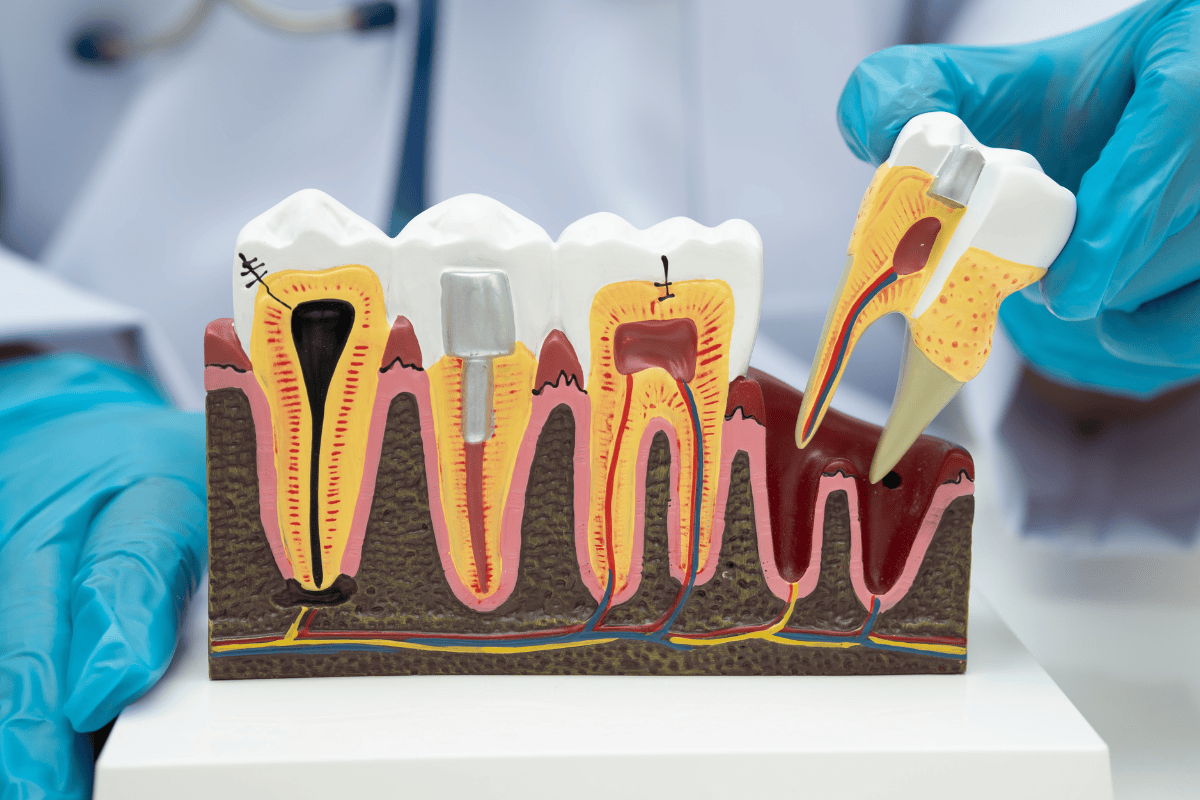
Pain that gets worse when you lie down is often a sign that the nerve inside the tooth is irritated or infected. That is not something to ignore.
Signs You Need Care Right Away
Some symptoms are warning signs. If you notice any of these, call a dental office as soon as it opens, or go to the emergency room if it is after hours and the symptoms are severe.
Red-Flag Symptoms
- Throbbing pain that does not stop for more than a day
- Swelling in your cheek, jaw, or gums
- A pimple-like bump on the gum that leaks fluid
- Fever with tooth or jaw pain
- A bad taste or smell in your mouth
- A tooth that is cracked, loose, or knocked out
- Pain when you bite down or touch the tooth
The American Dental Association (ADA) states that a dental infection can spread to the jaw, face, and neck if left untreated. In rare cases it can reach the bloodstream. Swelling that makes it hard to swallow or breathe is a medical emergency. Go to the nearest ER or call 911.
Signs That Can Wait a Day or Two
Not every ache is an urgent case. These are usually less serious:
- Mild sensitivity to hot or cold that fades fast
- A small chip with no pain
- A lost filling or crown with no sharp pain
- Food stuck between teeth
Even so, book a visit soon. Small problems grow when left alone, and they cost more to fix later.
Where to Go: Dentist or Emergency Room?
This chart can help you decide in the moment.
| Your Situation | Best Place to Go | Why |
| Severe toothache, no swelling | Dentist, same day if possible | A dentist can find the cause and treat it |
| Swelling in the face or gums, with fever | Dentist right away, or ER if after hours | Infection may be spreading |
| Swelling that blocks breathing or swallowing | ER or 911 | This is a life-threatening problem |
| Knocked-out tooth | Dentist within 30 to 60 minutes | The tooth may be saved if replanted fast |
| Cracked or broken tooth with pain | Dentist within 24 hours | The nerve may be exposed |
| Lost filling or crown, no pain | Dentist within a few days | Low risk, but the tooth needs protection |
| Jaw injury or heavy bleeding | ER | These need medical care first |
An ER can calm pain and treat dangerous swelling, but most ERs cannot fix the tooth itself. A dentist can.
What to Do Before You Reach the Dentist
These steps can ease pain for a few hours. They do not cure the problem.
- Rinse gently. Use warm salt water (half a teaspoon of salt in a cup of water).
- Floss around the tooth. Food stuck in a gap can cause real pain.
- Use a cold pack. Hold it on your cheek for 15 minutes at a time. Never put ice on the tooth.
- Take over-the-counter medicine. Ibuprofen or acetaminophen can help if your doctor says they are safe for you. Follow the label.
- Raise your head. Prop up with an extra pillow to lower pressure.
- Skip the aspirin trick. Do not place aspirin on the gum. It can burn the tissue.
- Avoid very hot, cold, or sweet food. These can set off more pain.
If the pain fades overnight, do not assume it is gone. A tooth nerve that dies can stop hurting while the infection keeps growing. A visit is still a good idea.
Common Causes of Sudden Tooth Pain
Knowing the cause helps you understand why treatment matters.
- Deep cavity: Decay reaches the nerve and causes sharp pain.
- Abscess: A pocket of infection forms at the root or in the gum.
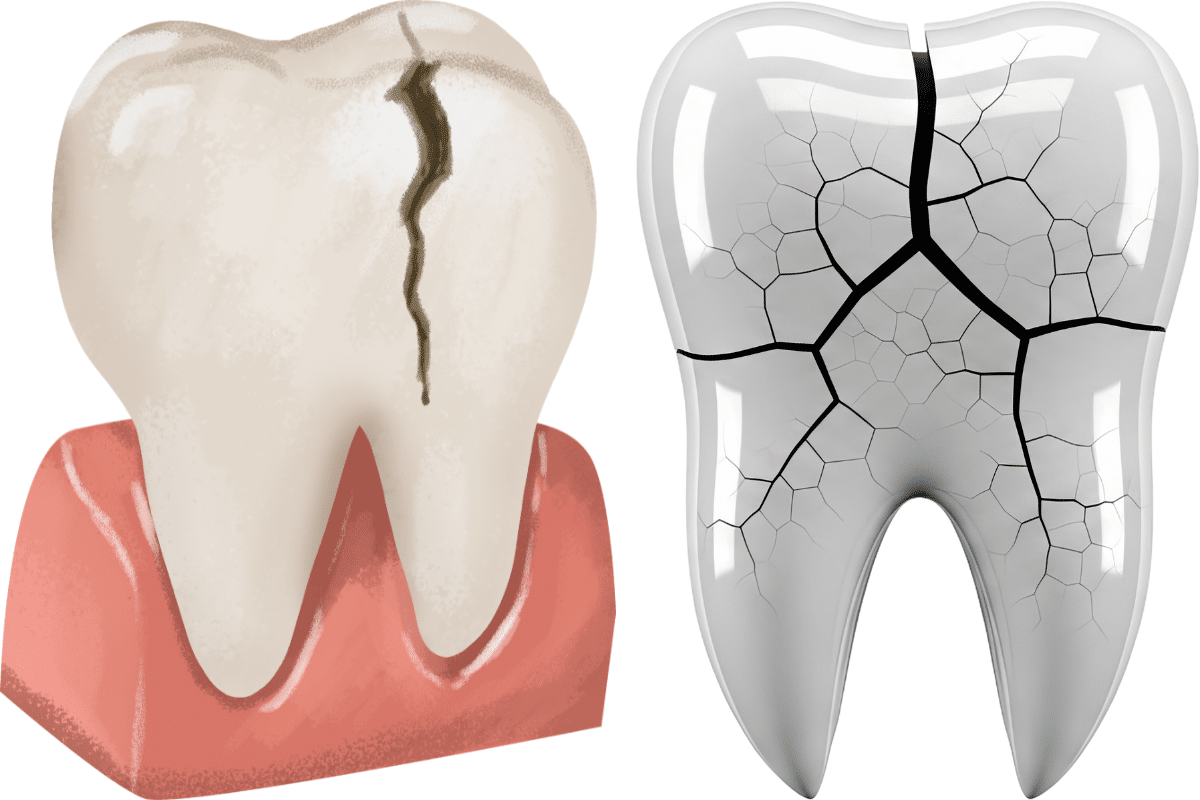
- Cracked tooth: A crack lets air and germs reach the nerve.
- Gum disease: Swollen, infected gums can ache and bleed.
- Impacted wisdom tooth: A tooth stuck under the gum can press on others.
- Teeth grinding: Constant pressure wears down enamel and strains the jaw.
The American Association of Endodontists notes that root canal treatment removes the infected nerve and saves the natural tooth in most cases. Pulling a tooth is a last option, not a first one.
What Happens at an Urgent Dental Visit
Patients often feel nervous, so here is a plain look at the visit. Whether you search for an emergency dentist ash grove has to offer or call the office you already know, the steps are much the same.
- Questions. The dentist asks when the pain began, what makes it worse, and what you have taken.
- Exam and X-ray. This shows decay, cracks, or infection under the gum.
- Pain relief first. You get numbing medicine before any treatment begins.
- A clear plan. The dentist explains the options, the steps, and the cost before work starts.
- Treatment. Depending on the cause, this may be a filling, root canal, drainage of an abscess, a repair, or an extraction.
- Aftercare. You leave with written steps, and a follow-up visit if needed.
You always have the right to ask questions and understand your choices. Good dental care is open and honest about what is needed now and what can wait.
Dental Care for Ash Grove and Strafford Patients
If you live in Greene County or the nearby towns, long drives at night are not easy. Ash Grove and Strafford are small communities, and the closest hospital ERs are a drive away. A local office can often see you faster and treat the actual cause of the pain.
Clear Creek Family Dental has two offices for patients in this area:
- Ash Grove, MO: View the Ash Grove location page or find the office on Google Maps.
- Strafford, MO: View the Strafford location page or find the office on Google Maps.
When pain strikes outside office hours, patients in the area often look for an urgent dentist near Ash Grove or a same-day dentist in Strafford. Learn what emergency dental care involves before you need it, and save the office number in your phone. That one step saves time when pain hits at night.
How to Be Ready for a Dental Emergency
A little planning makes a bad night easier.
- Keep a small kit with gauze, a cold pack, dental floss, and a travel container with a lid.
- Write down your medicines and allergies and keep the list in your wallet.
- Know your insurance details. Many plans cover urgent exams and X-rays.
- Do not delay regular checkups. Most late-night toothaches begin as small problems that a six-month exam can catch.
- Wear a night guard if you grind your teeth.
Ask about cost before treatment. A clear estimate, plus any payment or insurance options, lets you decide with a calm mind instead of a panicked one.
Your Next Step
Tooth pain that steals your sleep is your body asking for help. Waiting rarely makes it better, and an infection can grow while you hope for the best. Quick action protects your tooth, your comfort, and often your wallet. If you need an emergency dentist ash grove locals can reach without a long drive, the team at Clear Creek Family Dental is ready to listen, explain your options, and treat the cause of your pain.
Do not wait for the pain to get worse. Call us immediately at 417-751-9112, Ash Grove office.
Frequently Asked Questions
1. Why does my tooth hurt more when I lie down?
Lying flat sends more blood to your head, which raises pressure in an irritated tooth. Fewer distractions at night also make pain feel stronger.
2. Can a toothache go away on its own?
Pain may fade, but the cause usually stays. If a nerve dies, the pain can stop while the infection keeps spreading. A dentist should check any toothache that lasts more than a day or two.
3. How long can I wait before seeing a dentist for tooth pain?
If the pain is severe, wakes you from sleep, or comes with swelling or fever, get care within 24 hours. Mild sensitivity can usually wait a few days, but do not put it off for weeks.
4. When should I go to the ER instead of a dentist?
Go to the ER or call 911 if you have trouble breathing or swallowing, swelling that spreads to your eye or neck, a high fever, or a serious injury to your face or jaw.
5. What can I take for tooth pain at night?
Over-the-counter ibuprofen or acetaminophen may help if they are safe for you. Follow the label and check with your doctor or pharmacist if you take other medicine. These only ease pain for a short time.
6. What should I do if my tooth gets knocked out?
Pick it up by the crown, not the root. Rinse it gently with water, and try to place it back in the socket. If you cannot, keep it in milk. See a dentist within 30 to 60 minutes.
7. Will a dentist see me without an appointment?
Many offices save time for urgent cases. Call first so the team can prepare and tell you what to bring.
8. How much does an urgent dental visit cost?
Cost depends on the exam, X-rays, and treatment you need. Ask for a clear estimate before work starts, and ask about insurance and payment options.