Strafford, MO


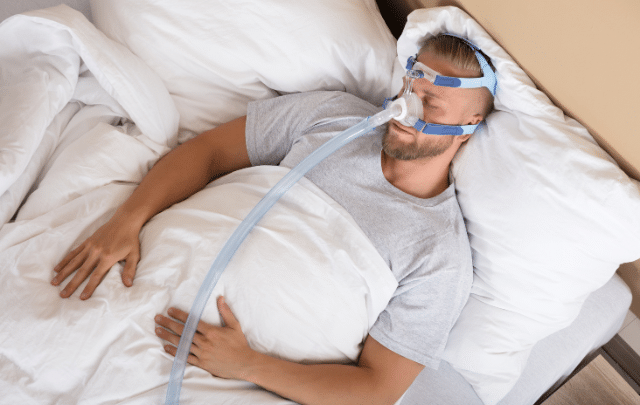
Loud Snoring and Repeated Nighttime Awakenings: Recognizing Possible Signs of Obstructive Sleep Apnea
Your partner nudges you at 3 a.m. again. You wake up with a dry mouth, a sore head, and a feeling that you never really slept. Many people laugh off loud snoring as a bad habit. Sometimes it is more than that. Patients asking about sleep apnea strafford dentists can screen for are often surprised to learn that a dentist
Your partner nudges you at 3 a.m. again. You wake up with a dry mouth, a sore head, and a feeling that you never really slept. Many people laugh off loud snoring as a bad habit. Sometimes it is more than that. Patients asking about sleep apnea strafford dentists can screen for are often surprised to learn that a dentist can play a real part in spotting the problem. This guide explains the warning signs, how the condition is confirmed, and the treatment choices that help you breathe and sleep better.
Quick answer: Obstructive sleep apnea (OSA) happens when your airway closes again and again during sleep. Loud snoring, gasping, and waking up tired are common signs. Only a sleep test can confirm it. Treatment may include a CPAP machine, a custom mouth device from a dentist, or lifestyle changes.
What Happens During Nighttime Breathing Pauses
When you fall asleep, the muscles in your throat relax. In some people, the airway narrows or closes. Air stops moving for 10 seconds or more. The brain senses low oxygen and wakes you just enough to restart your breathing. You rarely remember it.
This can happen dozens of times an hour. The result is broken sleep, even if you spend eight hours in bed.
The American Academy of Sleep Medicine (AASM) estimates that about 30 million adults in the United States have OSA, and a large share have never been diagnosed. Many patients assume they are just tired from work or age.
Snoring or Something More?
Not every snorer has OSA. Snoring alone can come from a stuffy nose, allergies, or sleeping on your back. The difference is in the extra signs. This chart can help you compare.
| Sign | Simple Snoring | Possible Obstructive Sleep Apnea |
| Snoring sound | Steady, often softer | Very loud, with pauses and gasps |
| Breathing pauses | None | Seen by a partner, often with choking |
| Sleep quality | Usually restful | Restless, with many awakenings |
| Daytime energy | Normal | Tired, foggy, falls asleep easily |
| Morning symptoms | Rare | Headache, dry mouth, sore throat |
| Mood | Normal | Irritable, low mood, trouble focusing |
If your column leans to the right, talk with a health care provider.
Warning Signs to Watch For
You may notice some of these yourself. Others are seen by a partner or family member.
- Loud snoring that bothers others
- Gasping or choking during sleep
- Waking up often, including trips to the bathroom
- Waking with a dry mouth or sore throat
- Morning headaches
- Daytime sleepiness, even after a full night in bed
- Trouble focusing or remembering things
- Teeth grinding or clenching at night
- Mood changes, such as irritability
Sleep problems also show up in the mouth. Worn teeth, a scalloped tongue, or a narrow jaw can be clues. A dentist sees these during a routine checkup.
Why It Matters for Your Health
OSA is not only about tiredness. Without care, it is linked to higher risks of:
- High blood pressure
- Heart disease and irregular heartbeat
- Stroke
- Type 2 diabetes
- Weight gain
- Car crashes from drowsy driving
The National Heart, Lung, and Blood Institute (NHLBI), part of the National Institutes of Health, notes that untreated OSA can strain the heart and affect many body systems. The good news is that treatment can lower these risks and help many people feel like themselves again.
Who Is at Higher Risk?
Anyone can have OSA, but some things raise the odds:
- Extra weight, especially around the neck
- A larger neck size or a narrow airway
- Being male, or being a woman after menopause
- Age over 40
- A family history of OSA
- Smoking and alcohol use close to bedtime
- Nasal blockage or enlarged tonsils
- Certain health conditions, such as high blood pressure
Children can have it too. Loud snoring in a child, mouth breathing, or restless sleep deserves a checkup.
How a Dentist Can Help
A dentist cannot diagnose OSA on their own. A physician makes the diagnosis, usually after a sleep study. Even so, dental teams are often the first to notice signs, since they look at your teeth, jaw, tongue, and airway space during exams.
If you are comparing options for sleep apnea strafford has nearby, ask how the dental office works with your doctor. A good plan starts with a screening, moves to a sleep test ordered by a physician, and then returns to the dentist if a mouth device is the right fit.
A dental office can:
- Screen for risk factors during a visit
- Share findings with your doctor
- Make a custom oral appliance if your doctor recommends one
- Adjust the device and track results over time
The American Academy of Dental Sleep Medicine supports oral appliance therapy for adults with mild to moderate OSA, and for those who cannot tolerate CPAP.
Treatment Choices Compared
There is no single best option for everyone. Your doctor and dentist will help match the choice to your case.
| Option | How It Works | Best For | Things to Know |
| CPAP machine | Gentle air pressure keeps the airway open | Moderate to severe OSA | Very effective, but some find the mask hard to use |
| Oral appliance | A custom mouthpiece moves the lower jaw forward | Mild to moderate OSA, or CPAP trouble | Small, quiet, easy to travel with, needs regular checks |
| Lifestyle changes | Weight loss, less alcohol, side sleeping | All levels, as a support | Helps most when combined with other care |
| Surgery or nerve stimulator | Changes the airway or tongue muscle | Select cases | Usually after other options fail |
For severe OSA, CPAP is often the first choice. A dental device may still help if CPAP does not work for you, and your doctor can guide that decision.
What to Expect at a Screening Visit
An honest, clear process helps you feel at ease.
- Health history. You share your symptoms, sleep habits, and medicines.
- Mouth and airway exam. The dentist checks your teeth, jaw, tongue, and throat.
- Referral for a sleep test. A physician orders a home or lab study to confirm OSA.
- Results review. Your doctor explains the findings and suggests care.
- Device fitting. If an oral appliance is advised, the dentist takes impressions and fits it.
- Follow-up. Visits make sure the device works and fits well. Your doctor may repeat a sleep test.
Expect a clear explanation of cost and insurance before any step. Many medical plans cover some part of sleep care.
Simple Habits That May Help Tonight
These tips do not replace treatment, but they can ease symptoms.
- Sleep on your side instead of your back.
- Avoid alcohol and heavy meals close to bedtime.
- Keep a regular sleep schedule.
- Treat a stuffy nose with your doctor’s advice.
- Raise the head of your bed a little.
- Keep a short log of your symptoms to share with your doctor.
Your Next Step
Loud snoring and many nighttime awakenings are not something to push aside. They can be early signs of a condition that affects your heart, mood, and safety. Getting answers is simple, and treatment works for most people who stick with it. If you have noticed the signs above, talk with your doctor and ask a dental team about screening for sleep apnea strafford patients can reach without a long drive.
Do not wait for another restless night. Schedule a consultation with Clear Creek Family Dental at the Strafford or Ash Grove office.
Frequently Asked Questions
1. Does loud snoring always mean I have OSA?
No. Snoring can come from allergies, a stuffy nose, or sleeping on your back. Gasping, breathing pauses, and heavy daytime tiredness are stronger signs. A sleep test gives the answer.
2. Can a dentist diagnose OSA?
No. A physician makes the diagnosis, usually with a sleep study. A dentist can screen for risk, refer you for testing, and make an oral appliance if your doctor advises one.
3. How does a sleep study work?
You wear small sensors that track breathing, oxygen levels, heart rate, and sleep stages. Many studies can be done at home. Others are done overnight in a sleep lab.
4. Is a mouth device as good as a CPAP machine?
For mild to moderate OSA, many patients do well with a mouth device. For severe OSA, CPAP is usually the first choice. Your doctor can help you decide.
5. How long does it take to get used to an oral appliance?
Most patients adjust within a few weeks. You may feel mild jaw soreness or extra saliva at first. Your dentist can adjust the fit to improve comfort.
6. Can children have OSA?
Yes. Loud snoring, mouth breathing, bedwetting, or restless sleep in a child should be checked by a pediatrician or dentist. Enlarged tonsils are a common cause.
7. Will insurance cover treatment?
Many medical plans cover sleep tests and some treatments, but coverage varies. Ask for a written estimate and have the office check your benefits.
8. What happens if I ignore the signs?
Untreated OSA can raise the risk of high blood pressure, heart problems, stroke, and accidents. Early care can help prevent these problems.