Strafford, MO


Dental Hygiene Mistakes Most People Make (A Dentist’s Honest Guide)
Most people brush their teeth every day and think they are doing enough. But a lot of common habits are quietly causing harm. The truth is, small mistakes add up over time and lead to cavities, gum disease, and costly treatments. Whether you have been seeing a dentist in Strafford for years or are just starting to pay more attention
Most people brush their teeth every day and think they are doing enough. But a lot of common habits are quietly causing harm. The truth is, small mistakes add up over time and lead to cavities, gum disease, and costly treatments.
Whether you have been seeing a dentist in Strafford for years or are just starting to pay more attention to your oral health, this guide covers the mistakes that show up most often in dental chairs, and what to do instead. And if you have never searched for a dentist near me before, this is a good place to start.
Brushing Too Hard
One of the most common problems dentists see is overbrushing. People assume that scrubbing harder means cleaner teeth. It does not. Hard brushing wears down the enamel on your teeth and irritates your gums over time.
The right way is to use a soft-bristled toothbrush and apply light pressure. Think of it more like a gentle massage than a scrub. Use small, circular strokes and spend at least two full minutes brushing.
Skipping Flossing
Brushing only cleans about 60% of the surface of your teeth. The spaces between your teeth are where plaque and food debris hide, and a toothbrush cannot reach there.
Flossing once a day removes buildup between teeth before it hardens into tartar. Once tartar forms, only a professional cleaning can remove it. If you skip flossing, you are leaving almost half your tooth surfaces untouched.
Brushing Right After Eating
A lot of people brush right after a meal, especially after coffee or orange juice. This can actually damage your teeth. Acidic foods and drinks soften your enamel temporarily. Brushing during this window can scrub away that softened layer.
Wait at least 30 minutes after eating before brushing. In the meantime, drink water or rinse your mouth to wash away acids.
Using the Wrong Toothbrush
Hard-bristled toothbrushes feel thorough, but they can do more harm than good. Over time, they wear down enamel and push gums away from the base of the teeth.
Always use a soft-bristled brush. Electric toothbrushes are a great option because they do much of the work for you and tend to clean more evenly. Replace your toothbrush every three to four months, or sooner if the bristles start to fray.
Neglecting Your Tongue
Your tongue holds a large amount of bacteria. If you brush your teeth but ignore your tongue, that bacteria spreads back onto your teeth and gums throughout the day. It is also a leading cause of bad breath.
Use a tongue scraper or the back of your toothbrush to clean your tongue gently each time you brush.
Not Drinking Enough Water
Water is one of the most underrated tools for oral health. It rinses food particles away, keeps your mouth moist, and helps prevent dry mouth. Dry mouth is a real concern because saliva is your body’s natural defense against bacteria.
Tap water in many parts of Missouri also contains fluoride, which helps strengthen tooth enamel. Staying hydrated throughout the day supports your overall dental health without any extra effort.
Skipping Regular Dental Checkups
This is where most people fall short. Many people only go to the dentist when something hurts. By that point, the issue has usually been building for months or even years.
Routine checkups every six months allow your dentist to catch problems early, clean tartar buildup, and check for signs of gum disease or oral cancer. Early treatment is almost always faster, simpler, and less expensive.
If you have been searching for a dentist near me and putting off making an appointment, this is the nudge you need. Small issues do not go away on their own.
Eating and Drinking Too Much Sugar
Sugar feeds the bacteria in your mouth. Those bacteria produce acid as a byproduct, and that acid is what causes tooth decay. Sodas, candy, sports drinks, and even fruit juices can cause serious damage over time.
You do not have to cut everything out. Just be mindful of how often you are exposing your teeth to sugar throughout the day. Sipping a soda slowly over two hours is harder on your teeth than drinking it quickly in one sitting.
Ignoring Gum Health
Gum disease starts quietly. Bleeding when you floss or brush is one of the first signs, and most people brush it off (no pun intended). But bleeding gums are not normal. They are a sign of inflammation caused by plaque buildup along the gumline.
Left untreated, gum disease can lead to tooth loss. It has also been linked to heart disease, diabetes complications, and other health issues. If your gums bleed regularly, bring it up at your next dental visit.
Using Teeth as Tools
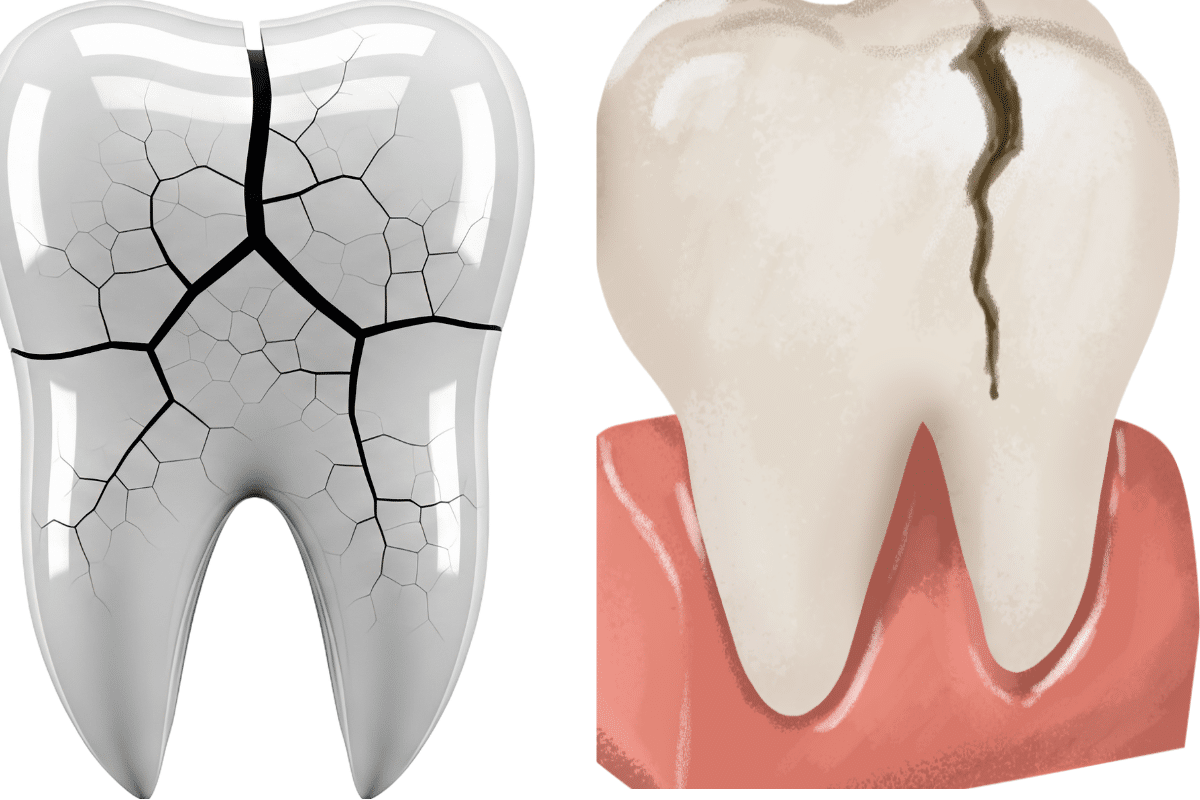
Opening packages, biting nails, chewing on pens, or cracking open nuts with your teeth puts stress on them that they were not built for. This can cause chips, cracks, and even broken teeth.
It takes one moment to reach for scissors instead. Your teeth are for eating, not for tasks.
How Local Dental Care Fits In
The Greene County and surrounding areas in Missouri have grown a lot over the past decade. More families are moving into communities like Ash Grove and Strafford, and with that growth comes a need for reliable, accessible dental care.
There are several dental offices in the region, including in Springfield, Nixa, Republic, and Ozark. Many offer general and family dentistry. But not all clinics are the same when it comes to the level of personal attention they provide, especially for patients who feel anxious about dental visits or who have not been seen in a while.
Clear Creek Family Dental, with locations in both Ash Grove and Strafford, serves the local community with a focus on patient comfort and thorough care. Anyone looking for a dentist in Strafford will find that this practice offers the kind of personal attention that larger corporate clinics often miss. Patients across the area who search for a dentist near me often find that a smaller, community-based practice makes a big difference in their overall experience.
Conclusion
Good dental hygiene is not just about brushing twice a day. It involves the right technique, the right tools, regular flossing, staying hydrated, and keeping up with professional cleanings. The mistakes covered in this guide are easy to fix once you know about them. Small changes in your daily routine can protect your teeth for decades to come.
If you have been putting off a checkup, or if you have been looking for a dentist in Strafford or the surrounding area, now is the right time to take action. Schedule a consultation with Clear Creek Family Dental and get a clear picture of where your oral health stands. Their team at both the Ash Grove and Strafford locations is ready to help you build a dental routine that actually works.
Do not wait for pain to make the first move. Take care of your smile before a small problem becomes a big one. When you are ready to find a dentist in Strafford or simply need a trusted dentist near me, Clear Creek Family Dental is here.
Frequently Asked Questions
1. How often should I brush my teeth?
Brush at least twice a day, once in the morning and once before bed. Use a soft-bristled brush and fluoride toothpaste. Spend at least two minutes each session.
2. Is flossing really necessary if I brush well?
Yes. Brushing only cleans the visible surfaces of your teeth. Flossing removes plaque and food particles from between teeth and along the gumline, where cavities and gum disease often start.
3. Why do my gums bleed when I floss?
Bleeding gums usually mean inflammation from plaque buildup. It often gets better with regular flossing, but if the bleeding continues for more than two weeks, it is a good idea to have it checked by a dentist.
4. How long should I wait to brush after eating?
Wait at least 30 minutes. Eating or drinking, especially acidic foods, softens your enamel temporarily. Brushing too soon can wear it down faster.
5. Is an electric toothbrush better than a manual one?
Electric toothbrushes tend to remove more plaque and are easier on your gums, especially for people who brush too hard. Both types work if you use the right technique, but an electric option is a solid upgrade.
6. What causes bad breath even after brushing?
Bad breath often comes from bacteria on the tongue, dry mouth, or buildup between teeth. Make sure you are cleaning your tongue daily, drinking enough water, and flossing. Persistent bad breath can also be a sign of gum disease or other health issues.
7. How often should I visit the dentist?
Most people benefit from a checkup and cleaning every six months. If you have gum disease, a history of cavities, or other dental concerns, your dentist may recommend more frequent visits.
8. At what age should children first visit the dentist?
The American Dental Association recommends a child’s first dental visit within six months of their first tooth appearing, or by age one, whichever comes first. Early visits help establish good habits and catch any developmental concerns early.