Strafford, MO


Deep Tooth Decay Reaching the Dental Pulp: How Root Canal Treatment Can Help Preserve a Natural Tooth
A small cavity can sit quietly for months. Then one day it bites back with a deep, pulsing ache. By then, the decay may have moved past the hard outer layers and into the soft center of the tooth. Patients who search for root canal therapy ash grove dentists offer are often in pain and unsure what to expect. The
A small cavity can sit quietly for months. Then one day it bites back with a deep, pulsing ache. By then, the decay may have moved past the hard outer layers and into the soft center of the tooth. Patients who search for root canal therapy ash grove dentists offer are often in pain and unsure what to expect. The good news is that this treatment removes the infection and lets you keep your own tooth. This guide covers the warning signs, the steps of treatment, and how to choose with confidence.
Quick answer: When decay reaches the pulp (the nerve and blood vessels inside the tooth), the tooth can get infected. A root canal cleans out the infected pulp, seals the tooth, and protects it with a crown. In most cases, this saves the tooth and ends the pain.
What Is the Dental Pulp?
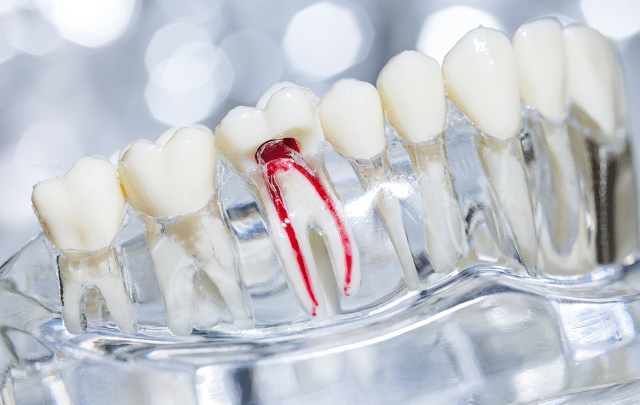
Every tooth has three layers. The outer layer is enamel, which is hard and white. Under it is dentin, a softer layer. At the center is the pulp, a small space filled with nerves, blood vessels, and tissue.
The pulp helps the tooth grow when you are young. A fully grown tooth can survive without it, because the surrounding tissue keeps it fed. That is why removing a damaged pulp is safe and why the tooth keeps working afterward.
How Decay Reaches the Nerve
Decay does not jump to the pulp overnight. It moves in steps.
- Enamel. Germs make acid that wears a small hole.
- Dentin. The decay spreads faster in this softer layer.
- Pulp. Germs enter the nerve space and cause swelling and infection.
- Root tip. The infection can form a pocket of pus, called an abscess, at the bottom of the root.
Other things can also harm the pulp: a crack or chip, a hard hit to the tooth, or a tooth that has had many repairs. Gum disease can sometimes cause it as well.
Warning Signs to Watch For
Not every sign is loud. Some patients feel almost nothing until the infection grows. Watch for these:
- Throbbing pain that lingers or wakes you at night
- Sharp pain when you bite or press on the tooth
- Long-lasting pain after hot or cold food or drinks
- Swollen, tender gums near the tooth
- A small bump on the gum that may drain fluid
- A tooth that turns gray or dark
- A bad taste or smell in your mouth
Pain that suddenly stops can be a trap. When the nerve dies, the ache may fade, but the infection often stays. The American Association of Endodontists (AAE) advises patients not to wait for pain to return before getting care.
Why Waiting Costs More
An infected tooth does not heal on its own. Over time the infection can damage the bone around the root, spread to the face, and cause fever or swelling. In rare cases it can become a serious health risk.
Swelling in your face or neck, trouble swallowing, or trouble breathing is a medical emergency. Go to the emergency room or call 911.
For most other cases, early care means a simpler fix, lower cost, and a better chance of keeping the tooth.
The Treatment Steps
Many patients fear this procedure because of old stories. Modern care is much closer to getting a deep filling. Here is the usual path.
- Exam and X-ray. The dentist checks the tooth, tests it with cold and touch, and views the root on an X-ray.
- Numbing. Local numbing medicine keeps the area comfortable.
- Access. A small opening is made in the top of the tooth.
- Cleaning. The infected pulp is removed. The tiny canals inside the roots are cleaned and shaped.
- Filling. The canals are filled with a safe rubbery material and sealed.
- Restoration. A filling or crown covers the tooth. A crown is often needed for back teeth, since they take the most chewing force.
Most visits take 60 to 90 minutes. Some teeth with several roots may need a second visit. Your dentist should explain the plan before starting.
Root Canal or Extraction: Comparing Your Options
When the pulp is infected, the choice is usually between saving the tooth or pulling it. This chart shows the differences.
| Factor | Root Canal | Extraction | Waiting |
| Keeps your natural tooth | Yes | No | Tooth may be lost |
| Stops the infection | Yes | Yes | No, it often spreads |
| Needs a replacement | Crown only | Implant, bridge, or denture | Likely, later |
| Protects jawbone | Yes | Bone can shrink over time | Bone may wear down |
| Chewing strength | Normal after a crown | Lower until replaced | Poor, with pain |
| Total steps | Fewer | More, if replaced | More urgent care later |
Saving a natural tooth is often the simpler choice. Still, some teeth are too cracked or too weak to keep. In that case, your dentist will tell you honestly and walk you through replacement options.
Does It Hurt? Recovery and Aftercare
The pain people remember comes from the infection, not the treatment. Once the infected pulp is out, most patients feel relief.
After treatment, the area may feel sore for a few days. This is normal.
- Take over-the-counter pain medicine as your dentist directs.
- Avoid chewing on the treated tooth until the crown is placed.
- Brush and floss as normal, but be gentle near the tooth.
- Skip hard, sticky, or chewy foods for a few days.
- Call your dentist if pain or swelling gets worse after the first few days.
The AAE states that a treated tooth can last a lifetime with good care. Daily brushing, flossing, and checkups are the best way to protect it.
Myths That Keep Patients Waiting
- “It is the most painful dental work.” With modern numbing, most patients say it feels like a regular filling.
- “It makes you sick.” Studies have not shown that root canals cause illness elsewhere in the body. The infection is the real danger.
- “Pulling the tooth is easier.” It may seem so, but replacing a missing tooth takes more time and steps.
Questions to Ask Your Dentist
Bring this short list to your visit:
- Is my tooth worth saving, and why?
- Will I need a crown, and when?
- How many visits will this take?
- What will it cost, and what does my insurance cover?
- Will I need a specialist, and why?
- What should I do if pain returns?
A good dentist answers each one in plain words and never rushes you.
Your Next Step
Deep decay does not go away, and an infected nerve rarely settles down without care. The earlier you act, the more of your natural tooth you can save, and the fewer steps you will need later. If you are weighing root canal therapy ash grove patients can get close to home, an exam and an X-ray will show exactly what your tooth needs.
Do not wait for the ache to come back. Schedule a consultation with Clear Creek Family Dental at the Ash Grove or Strafford office.
Frequently Asked Questions
1. How do I know if the nerve in my tooth is infected?
Common signs are lasting pain, pain when you bite, gum swelling, a bump on the gum, or a darkened tooth. Only an exam and X-ray can confirm it.
2. Is the procedure painful?
Your dentist numbs the area first. Most patients feel pressure but little pain. Some soreness is normal for a few days afterward.
3. How long does the treatment take?
Most visits take 60 to 90 minutes. Teeth with more roots can take longer or need two visits.
4. Do I need a crown afterward?
Often yes, especially for back teeth. A crown protects the tooth from cracking, since the tooth is weaker after treatment.
5. How long will a treated tooth last?
With good care and regular checkups, a treated tooth can last many years, often for life.
6. What happens if I skip treatment?
The infection can spread to the bone and face, and the tooth may be lost. Swelling or fever needs fast care.
7. Can antibiotics fix the problem alone?
Antibiotics may calm an infection for a short time, but they cannot reach inside the tooth. The infected pulp still has to be removed.
8. How much does the treatment cost?
Cost depends on the tooth and whether a crown is needed. Ask for a written estimate and have the office check your insurance benefits.