Strafford, MO


Bone Loss After Tooth Loss: How Bone Grafting May Prepare the Jaw for Dental Implants
You lose a tooth, the gap heals, and life goes on. But under the gum, something quiet is happening. The bone that once held that tooth begins to shrink. Over time this can change how your face looks, how your other teeth sit, and what replacement options you have. Patients who ask about dental implants strafford offices provide often learn
You lose a tooth, the gap heals, and life goes on. But under the gum, something quiet is happening. The bone that once held that tooth begins to shrink. Over time this can change how your face looks, how your other teeth sit, and what replacement options you have. Patients who ask about dental implants strafford offices provide often learn that the health of the jawbone decides how simple the process will be. This guide explains why bone loss happens, how a graft can help, and what the steps look like.
Quick answer: After a tooth is gone, the jawbone in that spot slowly shrinks because it no longer gets the pressure of chewing. A bone graft adds material to the area so there is enough bone to hold an implant. Not everyone needs one. An exam and a 3D scan show what your jaw needs.
Why the Jawbone Shrinks After Tooth Loss
Bone is living tissue. It stays strong when it is used. Each time you chew, the tooth root sends small signals into the jaw, and those signals tell the body to keep the bone in place.
When the tooth is gone, the signals stop. The body slowly takes back the bone it no longer needs. This is called bone resorption.
- The first year is the fastest. Much of the bone loss happens in the first 12 months.
- It keeps going. Without a replacement, the loss continues for years.
- It affects the neighbors. Nearby teeth can drift into the gap, which changes your bite.
- It changes your face. Cheeks and lips may look more sunken as the jaw gets thinner.
The American Dental Association (ADA) notes that missing teeth can lead to bite problems, harder chewing, and changes in the shape of the jaw. Acting early keeps more options open.
Other Causes of Weak Jawbone
A missing tooth is not the only reason bone gets thin. Some patients also have:
- Gum disease that wore down bone around the roots
- A long-term infection or abscess
- Dentures worn for many years
- An injury to the face or jaw
- Bone that was always thin in the upper back jaw, near the sinus
The American Academy of Periodontology explains that gum disease is one of the main causes of bone loss in adults. If you have bleeding gums or loose teeth, treat that first, because healthy gums matter for any tooth replacement.
How a Bone Graft Helps
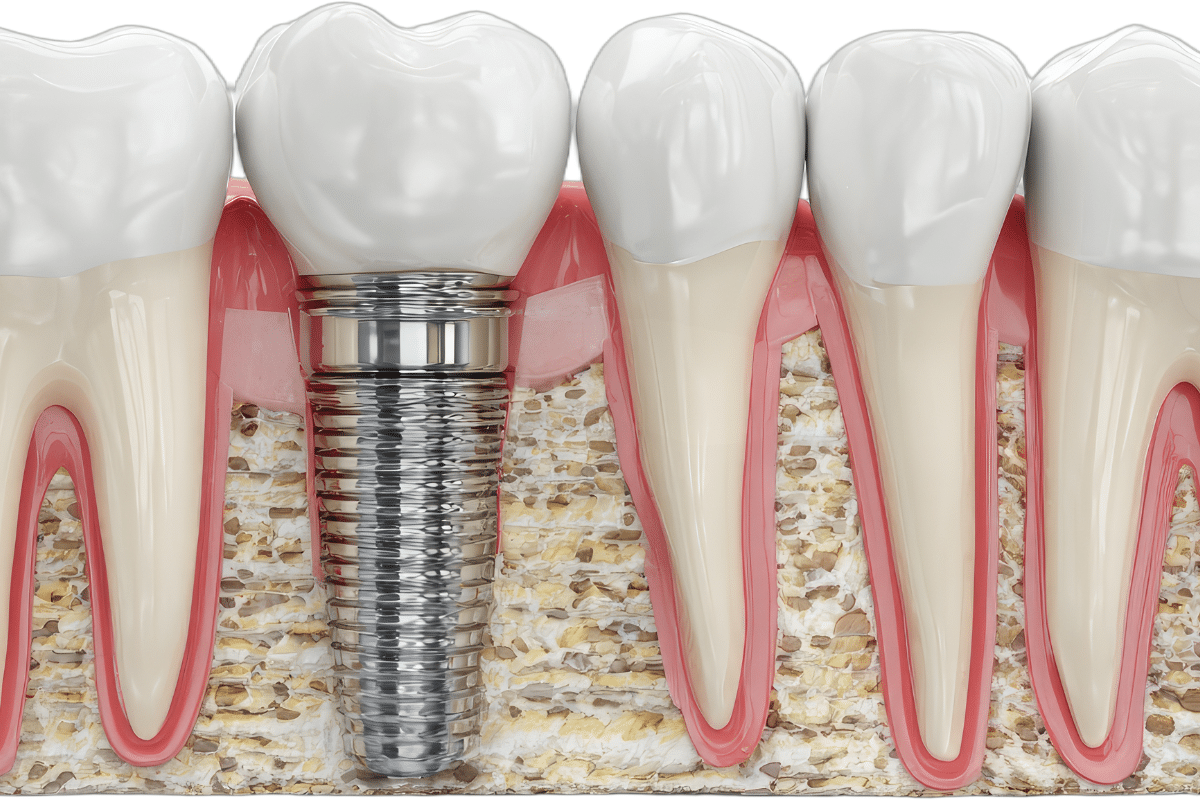
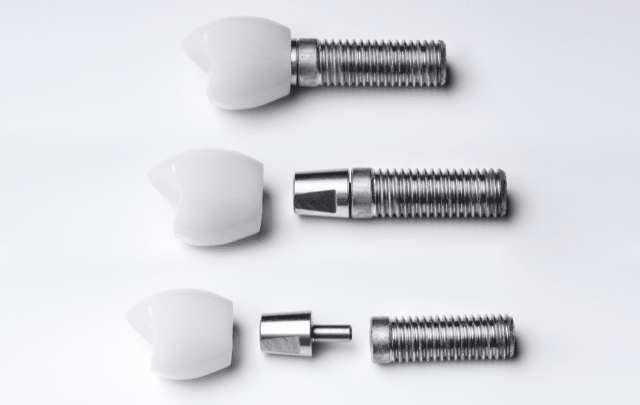
A bone graft is a small procedure that adds bone or bone-like material to the jaw. The body then grows its own new bone into that material over a few months. The result is a stronger base for the implant post, which acts like a new tooth root.
Think of it like building a house. A good foundation matters before you put up the walls. If the ground is soft, you fix it first.
A graft may be placed in different ways:
- Socket preservation: Placed right after a tooth is pulled to slow bone loss.
- Ridge augmentation: Rebuilds a jaw ridge that has become too thin or low.
- Sinus lift: Adds bone under the sinus in the upper back jaw, where bone is often thin.
Types of Bone Graft Material
Your dentist will pick the material that fits your case. Here is a plain comparison.
| Type | Where It Comes From | Good to Know |
| Autograft | Your own body (often the chin or jaw) | Strong healing, but needs a second surgical site |
| Allograft | Donated human bone, processed and tested | Common choice, no second site needed |
| Xenograft | Animal bone (usually bovine), processed | Works as a frame for your own bone to grow in |
| Synthetic | Lab-made materials | Free of donor tissue, and a good option for small areas |
All graft materials used in dental offices go through strict safety steps. Ask your dentist which type is planned and why. A clear answer is a good sign.
Do You Need a Graft Before an Implant?
No, not every patient does. If your jaw still has enough height and width, the implant can often go in without a graft. A graft becomes part of the plan when the bone is too thin or too soft to hold the post firmly.
A good implant plan starts with a full exam. The dentist checks your gums, your bite, and your health history. A 3D scan (called a CBCT scan) shows the exact size of your bone. Patients looking into dental implants strafford has available should ask for this scan, because it takes the guesswork out of the plan.
A graft is more likely if:
- The tooth was lost a long time ago
- You wore a denture for years
- The missing tooth is an upper back tooth near the sinus
- You had gum disease or a large infection in that area
What the Process Looks Like
The steps vary, but most cases follow this path.
- Exam and scan. The dentist reviews your health, takes X-rays, and builds a plan.
- Graft placement. The area is numbed, and the graft material is placed. Many patients say it feels like a tooth extraction.
- Healing. The graft needs about 3 to 6 months to turn into solid bone. Sinus lifts and larger grafts may take longer.
- Implant placement. The post is placed in the new bone. In some cases, the graft and the post can be done in the same visit.
- Bonding. The post fuses with the bone over about 3 to 6 months.
- The new tooth. A crown, bridge, or denture is attached to the post.
Your care team should give you a timeline in writing, so you know what to expect at each step.
Risks, Recovery, and Honest Expectations
All surgery has some risk. For bone grafts, the most common ones are swelling, mild bruising, and soreness for a few days. Less common problems include infection or a graft that does not take.
Some things raise the risk. Smoking slows healing and is a leading cause of implant failure. Poorly controlled diabetes can also slow healing. Tell your dentist about your health history and any medicine you take.
For the first few days, most patients are advised to:
- Eat soft, cool foods
- Avoid touching the area with your tongue or fingers
- Skip straws and smoking
- Rinse as directed and take medicine as prescribed
- Come to follow-up visits so the dentist can check healing
Most people return to normal routines within a few days. Ask about your own recovery before the day of surgery, not after.
Replacement Options Compared
Bone health plays a role in which option fits best.
| Option | Protects Jawbone? | Typical Lifespan | Notes |
| Implant | Yes, it acts like a tooth root | Many years with good care | Needs enough bone, or a graft |
| Bridge | No | About 10 to 15 years | Needs nearby teeth to be filed down |
| Partial or full denture | No | About 5 to 10 years, with relines | Bone loss can make the fit loose over time |
Implants are the only option that sends chewing force into the jaw. That is why they help slow bone loss.
Questions to Ask Before You Decide
A clear plan helps you feel sure about your choice. Bring these to your first visit:
- Do I need a graft, and why?
- Which graft material do you suggest?
- How long will healing take?
- What is the full cost, and what does insurance cover?
- What happens if the graft does not take?
- How many implants has your dentist placed?
A trustworthy office answers each one without pressure.
Your Next Step
Bone loss starts quietly, but it does not have to lead to bigger problems. The sooner a missing tooth is replaced, the more bone you tend to keep, and the simpler treatment often becomes. A grafting step, when needed, is a way to rebuild a strong base so your new tooth can last. If you are weighing dental implants strafford patients can get close to home, an exam and a scan are the best way to learn where your jaw stands today.
Do not wait for more bone to disappear. Schedule a consultation with Clear Creek Family Dental at the Strafford or Ash Grove office.
Frequently Asked Questions
1. How fast does the jawbone shrink after a tooth is pulled?
Most of the change happens in the first year, and it keeps going slowly after that. The exact speed differs from person to person.
2. Is a bone graft painful?
The area is numbed during the procedure. Most patients feel soreness and mild swelling for a few days, which is often managed with medicine your dentist suggests.
3. How long does a bone graft take to heal?
A graft usually needs about 3 to 6 months to turn into solid bone. Larger grafts and sinus lifts can take longer.
4. Can I get an implant if I lost my tooth years ago?
Often yes. A scan shows how much bone is left. If the ridge is thin, a graft can help rebuild it first.
5. Does insurance cover bone grafting?
It depends on the plan. Some plans cover part of the cost, and others do not. Ask for a written estimate and have the office check your benefits.
6. Is donor bone safe?
Donor bone used in dental offices is screened, tested, and processed under strict safety rules. Your dentist can tell you the source of the material.
7. What can I do to protect my jawbone?
See your dentist for regular checkups, treat gum disease early, avoid smoking, and replace missing teeth. Brushing and flossing daily keeps the gums healthy.
8. What are the signs a graft is not healing well?
Call your dentist if you have pain that gets worse after the first few days, swelling that grows, a bad taste, fever, or pus near the site.