Strafford, MO


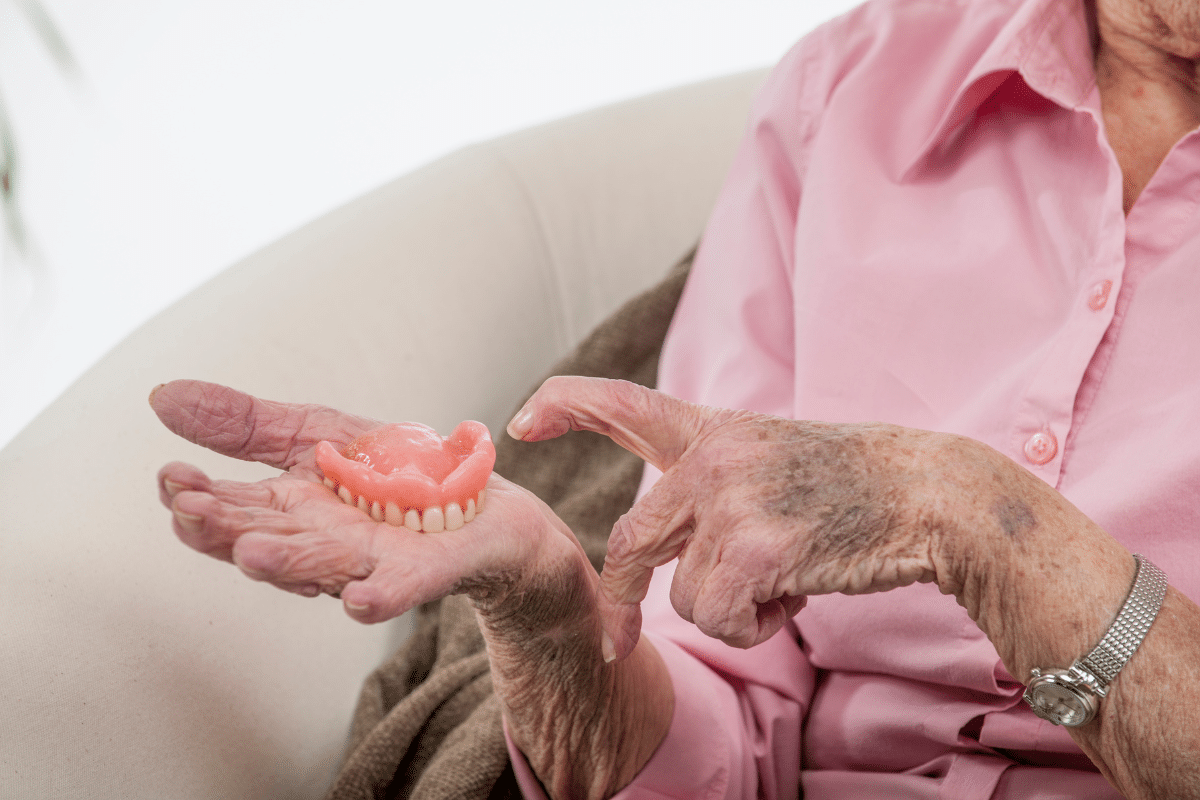
Are Modern Dentures More Comfortable Than Older Traditional Dentures?
If your last set of dentures came from decades ago, or you remember a parent struggling with a bulky, slipping plate, it makes sense to wonder if things have gotten any better. They have. The materials, the fit process, and the overall comfort of dentures have changed a great deal in the last twenty years. This guide breaks down what
If your last set of dentures came from decades ago, or you remember a parent struggling with a bulky, slipping plate, it makes sense to wonder if things have gotten any better. They have. The materials, the fit process, and the overall comfort of dentures have changed a great deal in the last twenty years. This guide breaks down what has actually improved, what stayed the same, and what to expect if you are considering dentures today.
Why Older Dentures Earned a Bad Reputation
Traditional dentures from years past were often built with thicker acrylic bases and a one-size-fits-most approach to shaping. They could feel heavy in the mouth, press on sensitive gum tissue, and shift while eating or talking. Many patients also remember the awkward clicking sound or the constant worry about a denture slipping in public. None of that was really the patient’s fault. The tools and materials dentists had access to back then simply placed limits on how precise and comfortable a denture could be, which is part of why so many people put off calling a dentist near me until the discomfort became too much to ignore.
What Has Actually Changed in Denture Technology
Modern dentures start with a completely different design process. Digital scans of your mouth replace old-style messy impressions, which means the base fits your gum shape far more closely from the very first try. Materials have also improved. Today’s denture bases are thinner, lighter, and more flexible, so they sit against the gums without the bulk that made older versions uncomfortable. Teeth are shaped and shaded to match natural wear patterns instead of looking uniformly perfect, which helps the smile look real rather than artificial.
Comfort Comparison: Traditional vs Modern Dentures
| Feature | Traditional Dentures | Modern Dentures |
| Base Material | Thick, rigid acrylic | Thin, flexible, lightweight resin |
| Fit Process | Manual impressions | Digital scanning for precision |
| Stability | Prone to slipping | Improved suction and optional implant support |
| Appearance | Uniform, less natural | Custom shading for a natural look |
| Adjustment Period | Longer, more irritation | Shorter, smoother transition |
Full Dentures vs Partial Dentures
Not every patient needs the same type of denture, and choosing the right one plays a big role in comfort. Full dentures replace every tooth in the upper jaw, lower jaw, or both, and they are built once the gums have fully healed for the most accurate fit. Partial dentures work differently. They fill in gaps where some healthy natural teeth remain, using clasps or precision attachments to stay in place while keeping the surrounding teeth stable. Choosing between the two comes down to how many natural teeth you still have and how your dentist evaluates the health of your gums.
Implant Supported Dentures for a More Secure Fit
For patients who want the biggest jump in comfort, implant supported dentures are worth a conversation with your dentist. Instead of relying only on suction or adhesive, this option anchors the denture to a small number of dental implants placed in the jawbone. The result is a denture that clicks securely into place and stays put while eating, laughing, or speaking. It also helps preserve jawbone density, something traditional dentures cannot do on their own.
What to Expect When Getting Fitted for New Dentures
Getting fitted today looks very different from the process patients may remember. It usually starts with a full exam and digital imaging to map out your gum and jaw structure. From there, a custom set is designed, tried in for fit and bite alignment, and adjusted before your final dentures are delivered. Most patients need a short break in period as the mouth adjusts, but it is far shorter and less uncomfortable than it used to be. Anyone who has typed “dentist near me” after struggling with an old, ill fitting denture will notice the difference within the first few visits.
Making the Right Choice for Your Smile
There is no single denture that fits every patient the same way. Someone with healthy remaining teeth may only need a partial, while someone missing a full arch may benefit most from an implant supported option. The only way to know for sure is a hands on exam where your dentist checks your gum health, bite alignment, and bone structure. Patients researching dentures in Strafford should ask direct questions about material options, fit adjustments, and what the break in period will actually feel like before committing to a plan.
Frequently Asked Questions
1. How long does it take to get used to new dentures?
Most patients adjust within a few weeks. Some soreness or extra saliva in the first days is normal and usually fades as the mouth adapts.
2. Can I eat normally with modern dentures?
Yes, though starting with softer foods and gradually adding firmer ones helps you adjust to the new bite and fit.
3. Do dentures need to be replaced over time?
Yes. Gums and jawbone shape change over the years, so dentures typically need relining or replacement every five to eight years.
4. Are implant supported dentures painful to get?
The implant placement is done under local anesthesia, so discomfort during the procedure is minimal, with mild soreness afterward that is easy to manage.
5. How do I clean and care for dentures?
Dentures should be brushed daily with a non-abrasive cleaner and soaked overnight, while gums should still be cleaned gently each day.
6. Can partial dentures damage nearby teeth?
Well fitted partial dentures are designed to protect nearby teeth from shifting, not harm them, as long as they are properly maintained and adjusted.
7. Will modern dentures look natural?
Yes. Custom shading and shaping match your face and gum tone, so the result blends in rather than looking artificial.
8. Is it too late to switch from old dentures to a modern set?
It is rarely too late. Many patients switch after years of discomfort and are surprised at how much more comfortable a properly fitted modern denture feels.
Ready for a More Comfortable Fit?
You do not have to live with a denture that slips, rubs, or feels heavy in your mouth. Modern materials and digital fitting methods have changed what comfort actually means for denture wearers, and the team at Clear Creek Family Dental is ready to walk you through every option available.
Patients across Strafford and Ash Grove trust this practice for dentures in Strafford built around real comfort, not guesswork, backed by a team that takes the time to get the fit right. If you are ready to stop searching “dentist near me” and start getting answers built around your mouth, schedule your consultation today and take the first step toward a smile that feels like your own again.