Strafford, MO


The Most Common Toothbrushing Mistakes
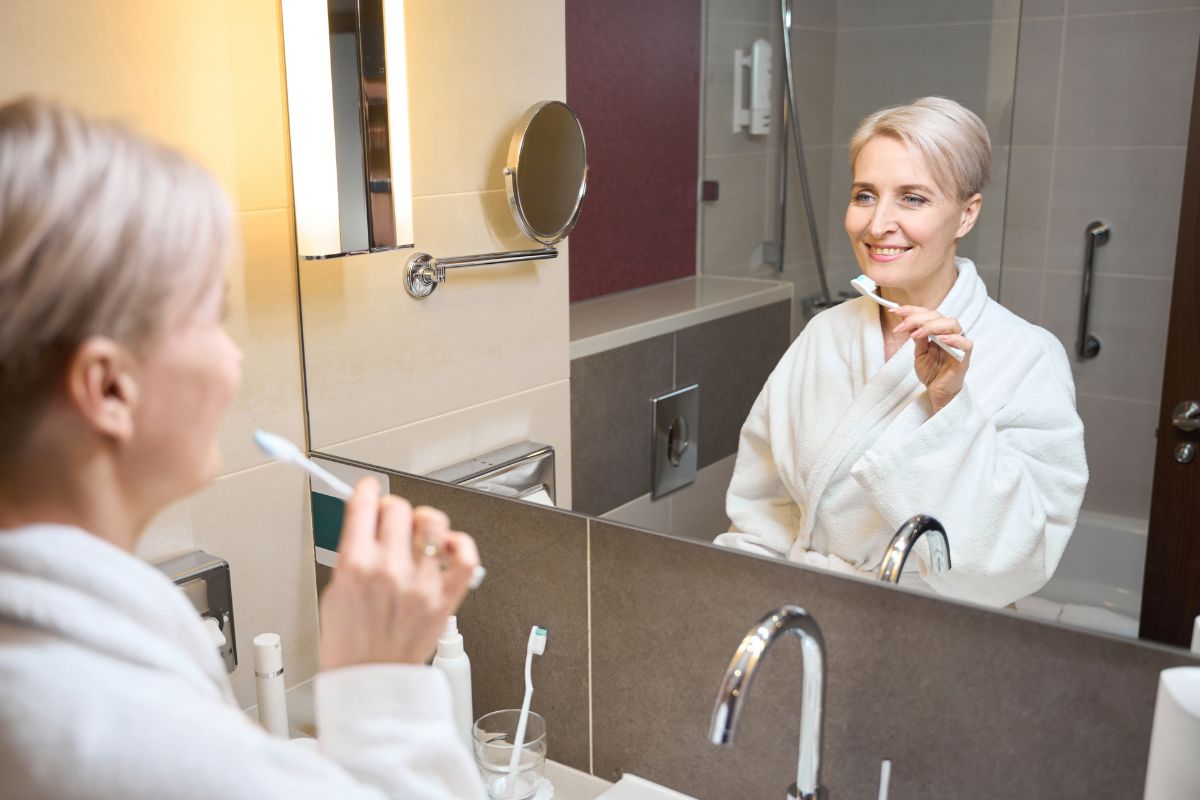
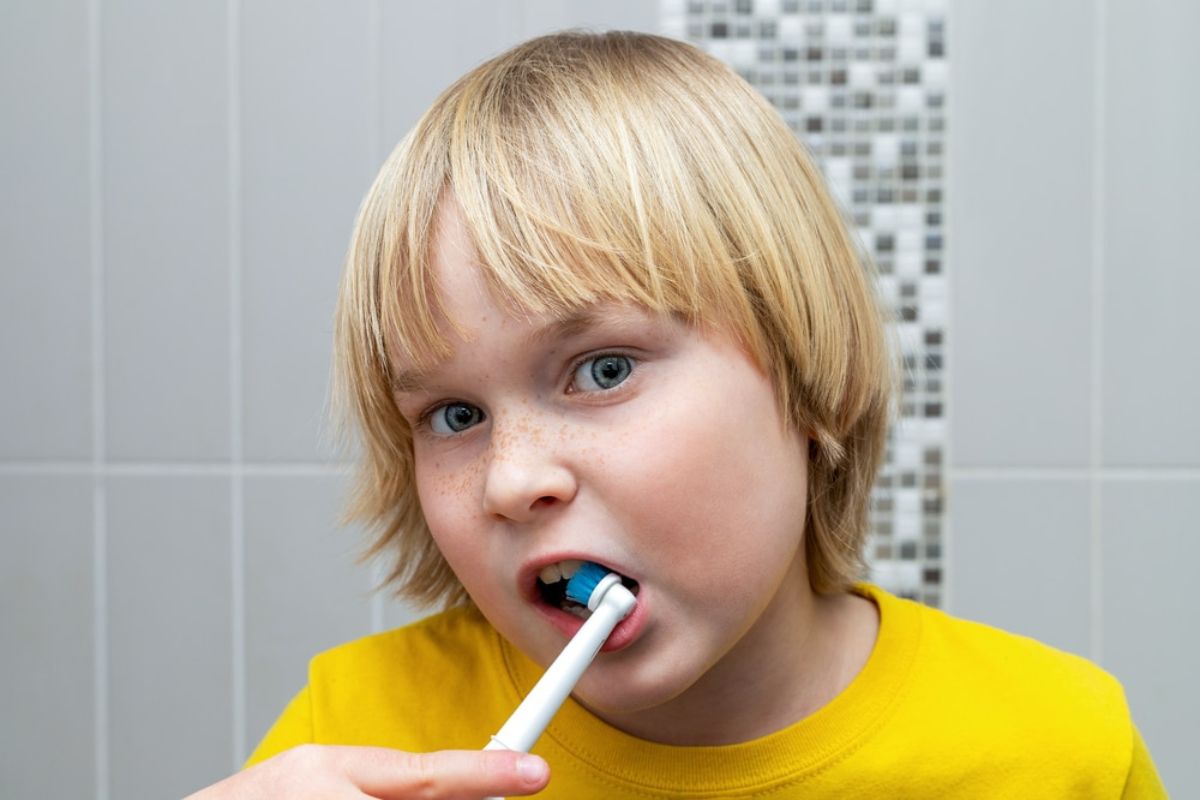
Toothbrushing is something most of us do without thinking twice. It’s part of our daily routine—like making coffee or locking the front door. But what if the way you’re brushing is doing more harm than good? Many Americans unknowingly make simple mistakes that can negatively impact their dental health. Over time, improper techniques can lead to plaque buildup, gum irritation,
Toothbrushing is something most of us do without thinking twice. It’s part of our daily routine—like making coffee or locking the front door. But what if the way you’re brushing is doing more harm than good? Many Americans unknowingly make simple mistakes that can negatively impact their dental health. Over time, improper techniques can lead to plaque buildup, gum irritation, enamel wear, and even tooth decay. Read on to learn about the most common toothbrushing mistakes and how to correct them for a healthier smile.
Brushing Too Hard
A common misconception is that brushing harder equals a better clean. In reality, applying too much pressure can erode enamel and irritate your gums. Toothbrush bristles are designed to remove plaque without force; gentle, circular motions are more effective and much safer. If your bristles are fraying quickly, that’s a red flag indicating you’re brushing too aggressively.
Not Brushing Long Enough
The American Dental Association recommends brushing for a full two minutes, twice a day. However, studies show most people only brush for 45 seconds or less. This cuts the cleaning process short and leaves harmful bacteria on teeth and gums. Setting a timer or playing a two-minute song can help ensure you’re brushing for the correct amount of time.
Using the Wrong Toothbrush
Toothbrushes come in a variety of shapes and sizes, but not all are right for your needs. Using a brush that’s too large or has hard bristles can make it difficult to reach certain areas and may cause gum recession over time. Dentists typically recommend using a soft-bristled brush with a small head to allow for more precise cleaning, especially in hard-to-reach areas.
Brushing Immediately After Eating
It may seem logical to brush right after a meal, but this can actually damage your enamel. Foods—especially acidic ones like citrus or soda—temporarily soften enamel. Brushing immediately afterward can cause enamel erosion. It’s best to wait at least 30 minutes after eating before brushing your teeth. In the meantime, rinsing with water can help neutralize acids.
Ignoring the Gum Line and Tongue
Many people focus solely on brushing the flat surfaces of their teeth, forgetting critical areas like the gum line and tongue. The gum line is a common spot for plaque buildup and can lead to gingivitis if neglected. Your tongue can harbor bacteria that cause bad breath. Including these areas in your brushing routine improves overall oral hygiene.
Not Replacing Your Toothbrush Often Enough
Over time, toothbrush bristles lose their effectiveness and can become breeding grounds for bacteria. If your brush looks worn or frayed—or it’s been over three months—it’s time for a replacement. Fresh bristles clean more effectively and help maintain a healthy mouth.
Using the Wrong Brushing Technique
Why Technique Matters?
Brushing side-to-side like you’re scrubbing a floor might feel natural, but it can wear down enamel and miss important areas between teeth. A better approach is to angle your brush at 45 degrees to the gum line and use gentle circular strokes. This ensures you’re cleaning the full surface of each tooth while also massaging your gums.
The Role of Professional Care
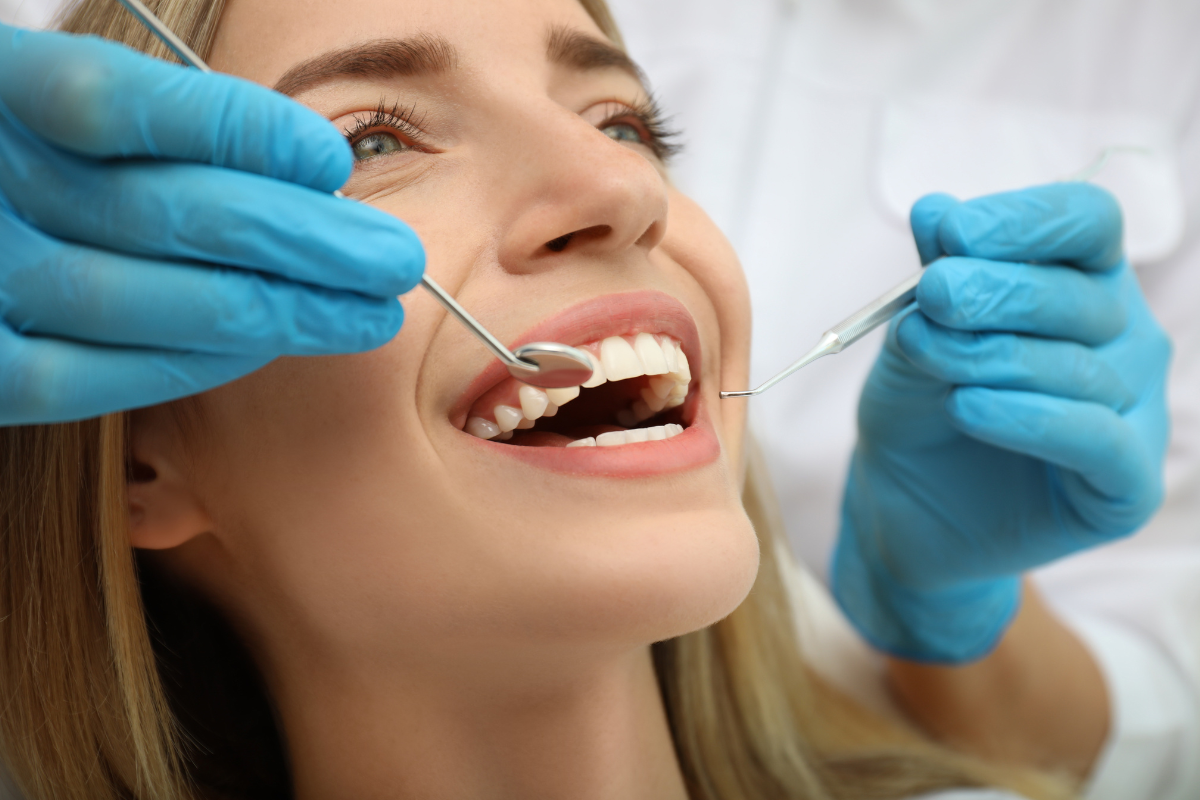
Even with perfect brushing habits, regular checkups with your dentist are essential. A professional cleaning reaches areas your brush can’t and helps catch issues before they become serious. If you’re looking for a trusted family dentist in Stafford, you’ll benefit from expert advice tailored to your individual oral health needs. Preventive care and proper at-home techniques work hand in hand to protect your smile.
For those overdue for a cleaning or experiencing tooth sensitivity, don’t wait—visit our dental office to ensure you’re brushing and caring for your teeth the right way.
Brushing your teeth is second nature, but doing it wrong can have long-term consequences. From brushing too hard to skipping essential areas, small mistakes can add up. By becoming aware of these habits and making a few simple changes, you can significantly improve your oral health. And with support from a local dental team, you can keep your smile bright and healthy for years to come.