Strafford, MO


Root Canal Treatment: Save Your Natural Tooth with Confidence
Root canal treatment is a vital procedure designed to save severely damaged or infected teeth. At Clear Creek Family Dental, we understand that the thought of a root canal can be intimidating, but our dental professionals are dedicated to making the experience as comfortable and stress-free as possible. Root canals effectively remove infection, alleviate pain, and preserve your natural tooth, helping you avoid the need for extraction.
Using advanced techniques and cutting-edge technology, our team ensures a precise, efficient procedure that restores your dental health and helps you regain your confident smile. Whether you're dealing with severe toothache, sensitivity, or swelling, our experienced dental team is here to guide you through every step of your root canal treatment.
What is a Root Canal?
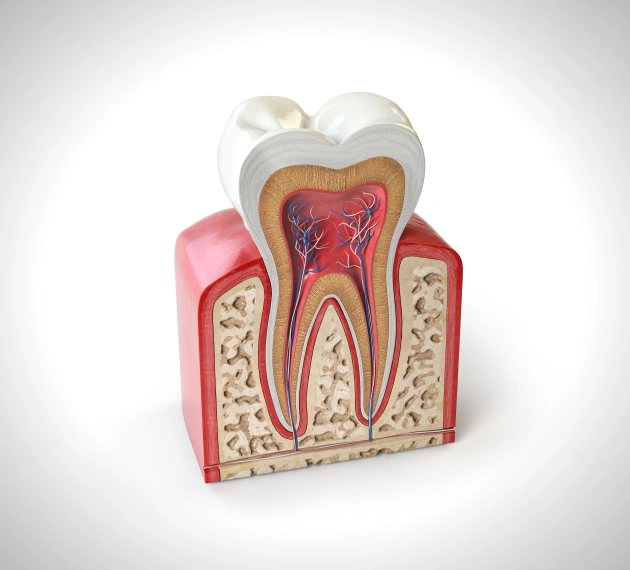
A root canal, or endodontic therapy, is a procedure aimed at removing infected or damaged pulp from inside your tooth. The pulp is made up of nerves and blood vessels that can become infected due to untreated cavities, trauma, or extensive dental work. By removing the infected pulp, the procedure helps save the tooth, prevent further infection, and allow you to keep your natural tooth—avoiding the need for more invasive treatments like extractions or implants.
When is a Root Canal Necessary?
A root canal is typically needed when the pulp inside a tooth becomes infected or severely damaged. Here are some common signs that you may need a root canal:
- Persistent tooth pain, which may occur spontaneously or without provocation
- Pain when biting or chewing
- Prolonged sensitivity to hot or cold temperatures
- Swollen or tender gums
- Facial swelling
- Darkening of the tooth
If you're experiencing any of these symptoms, it's important to schedule an appointment with our dental office in Strafford, MO as soon as possible. Early intervention can help save your tooth and prevent more serious complications down the road.
Types of Root Canals
Standard Root Canal
This is the most common type of root canal procedure, performed when a tooth has infected or damaged pulp. The process involves cleaning and shaping the root canals, followed by filling them to eliminate infection and save the tooth.
Root Canal Retreatment
If a tooth that has already undergone a root canal becomes reinfected or develops new problems, root canal retreatment may be necessary. This involves reopening the tooth, removing the old filling material, and treating the new infection to preserve the tooth.
Apicoectomy
An apicoectomy is a surgical procedure performed when a standard root canal does not fully resolve the infection. The dentist removes the tip of the tooth’s root and any surrounding infected tissue, then places a root-end filling to seal the area and prevent further infection.
Pediatric Pulpotomy
This procedure is used for baby teeth with infected pulp. The dentist removes the infected pulp from the pulp chamber but leaves the healthy pulp in the roots intact. A stainless steel crown is then placed on the tooth to preserve it until the adult tooth emerges.
The Root Canal Procedure at Clear Creek Family Dental
Understanding what to expect during a root canal can help reduce anxiety and ensure you’re well-prepared for the treatment. Here's a step-by-step overview of the root canal procedure at our dental practice in Strafford:
Numbing the Area
The dentist will begin by numbing the affected area with a local anesthetic to ensure you're comfortable and pain-free throughout the procedure. You may feel a brief pinch when the anesthetic is injected, but it will quickly numb the area.
Isolating the Tooth
A rubber dam is placed around the tooth to keep it dry and free from saliva, which can contain bacteria. This isolation ensures a clean environment during the procedure, helping prevent infection.
Accessing the Pulp
The dentist will make a small opening in the crown of the tooth to access the pulp chamber and root canals. This allows them to remove the infected or damaged pulp and prepare the tooth for healing.
Cleaning and Shaping
Using specialized instruments, the dentist will clean out the infected pulp, shape the root canals, and irrigate the area to remove any remaining debris. This step ensures the canals are thoroughly cleaned and ready for filling.
Filling the Canals
Once the canals are cleaned, they are filled with a biocompatible material, typically gutta-percha, and sealed with dental cement. This step prevents future infection and restores the tooth’s strength.
Temporary Filling
A temporary filling will be placed in the access cavity to protect the tooth until a permanent crown can be made. This temporary restoration maintains the tooth’s function and appearance until the final restoration is ready.
By following these steps, our team at Clear Creek Family Dental ensures a thorough and comfortable root canal treatment that helps save your tooth and relieve pain. If you have any questions or concerns, we're here to guide you through the entire process.
Root Canal Aftercare and Recovery
After your root canal procedure, you may experience mild discomfort or sensitivity for a few days. This is normal and can typically be managed with over-the-counter pain relievers. To ensure proper healing, it's important to avoid chewing on the treated tooth until a permanent crown is placed. This helps protect the tooth from potential fracture and allows the area to heal fully.
Getting a Permanent Crown
A follow-up appointment is required to place a permanent crown on the treated tooth. The crown is custom-made to fit your tooth perfectly, restoring both its strength and natural appearance. This final step ensures that your tooth remains fully functional and protected, allowing you to return to normal activities with confidence.
What Is the Cost of Root Canal Treatment in Strafford?
The cost of a root canal can vary depending on several factors, including the complexity of the case, the location of the tooth, and whether the procedure is performed by a general dentist or an endodontist. Typically, molars—due to their multiple roots—are more expensive to treat than front teeth. Many dental insurance plans offer partial coverage for root canal treatments, but the exact amount can vary. It’s best to check with your insurance provider for details on coverage. For a more accurate estimate specific to your situation, contact our office in Strafford, and our team will be happy to assist you.
Choosing Between a Dentist and an Endodontist
While general dentists are trained to perform root canals, endodontists specialize in treating the inside of the tooth and have advanced expertise in diagnosing and managing complex cases involving tooth pulp. If your case is particularly intricate, or if a root canal retreatment is required, our dental team may refer you to an experienced endodontist in Strafford for specialized care.
Why Choose Our Clinic for Root Canals in Strafford?
At our dental practice in Strafford, we are committed to providing top-quality care and ensuring your comfort throughout the root canal process. Here are a few reasons to trust us with your root canal treatment:
- Experienced Professionals: Our team of skilled dentists and endodontists has extensive experience in performing root canals, ensuring that you receive the highest standard of care.
- Advanced Technology: We use state-of-the-art techniques and equipment, such as dental microscopes and digital radiology, to perform root canals efficiently and with precision.
- Patient-Centered Care: Your comfort is our priority. We aim to make your experience as pain-free and stress-free as possible, keeping you informed and at ease every step of the way.
- Comprehensive Follow-Up: We offer thorough aftercare instructions and follow-up appointments to ensure a smooth recovery and address any concerns you may have.
Trust us to restore your smile with expert care and the latest technology for a smooth and successful root canal experience.
Frequently Asked Questions
Thanks to modern dentistry and effective local anesthetics, root canals are much less painful than they used to be. Most patients experience minimal discomfort during the procedure, and any soreness afterward is usually mild, which can be easily managed with over-the-counter pain relievers.