Strafford, MO


Daily Dental Care Routine: What You Should Be Doing (Morning and Night)
Most people brush their teeth every day. But doing it daily does not always mean doing it right. A solid dental care routine is about more than just brushing. It is about doing the right things, in the right order, at the right times. Whether you are starting fresh or fine-tuning your habits, this guide walks you through exactly what
Most people brush their teeth every day. But doing it daily does not always mean doing it right. A solid dental care routine is about more than just brushing. It is about doing the right things, in the right order, at the right times.
Whether you are starting fresh or fine-tuning your habits, this guide walks you through exactly what a healthy morning and night routine looks like, and why each step matters.
Why Your Daily Routine Matters More Than You Think
Your mouth is active all day and all night. Bacteria build up on your teeth constantly. When you skip steps or rush through your routine, that bacteria gets a chance to cause real damage: cavities, gum irritation, bad breath, and over time, tooth loss.
The good news is that a proper routine takes less than ten minutes total. That small daily investment protects your smile for years.
A good dentist in Strafford will tell you the same thing: most dental problems are preventable. The biggest factor is what you do at home, every single day.
Your Morning Dental Routine
1. Brush First, Then Eat
Many people grab breakfast and then brush. It seems logical, but it actually works against you. Brushing first removes the overnight bacteria that built up while you slept. If you eat first, that bacteria mixes with your food and gets pushed around your mouth.
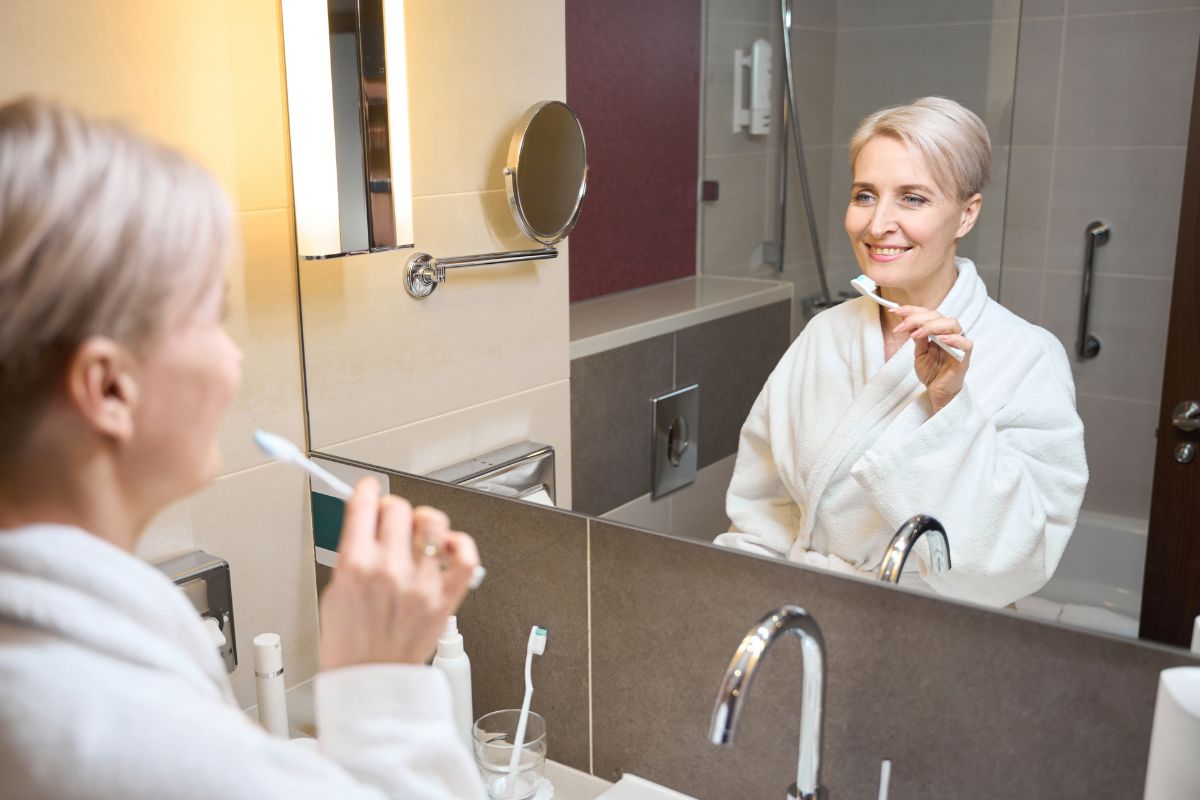
Brush right after waking up. Use a soft-bristle toothbrush and fluoride toothpaste. Brush for two full minutes, covering all surfaces of every tooth.
2. Do Not Forget Your Tongue
Your tongue holds more bacteria than most surfaces in your mouth. Gently brush it or use a tongue scraper. This step alone makes a big difference for fresh breath.
3. Rinse With Mouthwash
After brushing, use an antibacterial or fluoride mouthwash. Swish for 30 to 60 seconds. This reaches areas your brush cannot and gives your enamel extra protection.
Skip eating or drinking for at least 30 minutes after fluoride rinse to let it work.
4. Drink Water Before Coffee
Before your morning coffee or juice, drink a glass of water. It hydrates your mouth and helps wash away any remaining bacteria. It also helps reduce the drying effects of caffeine on your gum tissue.
Your Night Dental Routine
This is the more important session of the two. At night, your saliva production slows down. That means your mouth has less natural protection against bacteria while you sleep. What you do before bed has a real impact on your oral health.
1. Floss Every Single Night
Flossing is not optional. Your toothbrush cannot reach between your teeth. Those tight spaces are where cavities and gum disease start most often. Floss once a day, and nighttime is the best time to do it.
Use about 18 inches of floss. Wrap it around your fingers and slide it gently between each tooth, curving it slightly against the tooth surface. Do not snap it into your gums.
2. Brush for Two Minutes Again
Use the same technique as the morning. Cover all surfaces. Pay close attention to your back molars and the area where your teeth meet your gums. Those spots get missed most often.
If you have an electric toothbrush, use it. Studies show they remove more plaque than manual brushing when used correctly.
3. Use Mouthwash Again
A second rinse at night adds another layer of protection while you sleep. It helps fight bacteria for hours after you have finished brushing.
4. Avoid Eating or Drinking After Brushing
This is one of the most common mistakes people make. Eating or sipping sugary drinks after your night routine gives bacteria fresh fuel to work with overnight. Stick to plain water if you need something after brushing.
Habits That Support Your Routine
Replace Your Toothbrush Regularly
A worn toothbrush does not clean properly. Replace it every three to four months, or sooner if the bristles look frayed. If you have been sick, replace it right after you recover.
Watch What You Drink
Sugary drinks, sports drinks, and acidic juices wear down enamel over time. Drink them in one sitting rather than sipping throughout the day. Rinse with water after.
Stay Hydrated
Dry mouth is a real problem. When your mouth is dry, there is less saliva to neutralize acid and wash away food particles. Drink water throughout the day.
Do Not Skip Dental Visits
No home routine replaces a professional cleaning. Plaque that hardens into tartar cannot be removed with a toothbrush. It needs professional tools. Regular checkups also catch small problems before they become big ones.
If you are searching for a dentist near me to get back on track with regular care, do not put it off.
When to See a Dentist
Even with a great home routine, some things need professional attention. See a dental provider if you notice any of the following:
- Gum bleeding that does not stop
- Tooth sensitivity to hot or cold
- Swelling or soreness in your gums
- A tooth that aches or feels loose
- White patches inside your mouth
- Jaw pain or clicking when you chew
These are not things to wait on. Catching them early saves you from more involved treatment later.
A trusted dentist in Strafford can spot early signs of problems that you would never notice on your own.
Common Mistakes People Make
- Brushing too hard (this wears down enamel and irritates gums)
- Rinsing your mouth with water right after brushing (this washes away the fluoride)
- Using a toothbrush that is too firm
- Skipping floss because teeth feel fine
- Brushing for less than two minutes
Small corrections to these habits make a real difference over time.
Frequently Asked Questions
1. How many times a day should I brush my teeth?
Twice a day is the standard recommendation. Once in the morning and once before bed. Each session should last two full minutes.
2. Is flossing really that important if I brush well?
Yes. Brushing only cleans the outer surfaces of your teeth. Floss reaches between teeth where most cavities and gum disease begin.
3. What type of toothpaste should I use?
Use a toothpaste with fluoride. Beyond that, choose one based on your needs, such as sensitivity relief, whitening, or enamel protection. Ask your dental provider if you are unsure.
4. Can mouthwash replace brushing or flossing?
No. Mouthwash is a helpful addition, but it does not remove plaque. It works best as a final step after brushing and flossing.
5. How often should I replace my toothbrush?
Every three to four months. Replace it sooner if the bristles are visibly worn or after any illness.
6. Why do my gums bleed when I floss?
Mild bleeding when you first start flossing regularly is normal. It usually stops after a week or two of consistent flossing. If it continues beyond that, see a dental provider.
7. Is an electric toothbrush better than a manual one?
Electric toothbrushes tend to remove more plaque when used correctly. However, a manual brush used with proper technique is still very effective.
8. At what age should children start seeing a dentist?
Children should have their first dental visit around age one or when their first tooth appears, whichever comes first.
Conclusion
A good dental routine does not have to be complicated. Brush twice a day, floss every night, use mouthwash, drink water, and see your dentist on schedule. These simple habits keep your teeth and gums healthy for the long term.
If you are not sure where your routine stands, or if it has been a while since your last cleaning, now is a good time to check in with a professional. Whether you have specific concerns or just want a routine review, finding a dentist near me who fits your life and location is an easy first step.
At Clear Creek Family Dental, we are here for families across the area with convenient locations and straightforward, judgment-free care. If you are ready to get your oral health back on track, schedule a consultation with our dentist in strafford & Ash Grove today. You can also contact our Clear Creek Family Dental office directly to ask questions or set up your first visit. We make it simple to get the care you need.
Start tonight. Your teeth will thank you for it.